When Thailand became the first country in Asia to decriminalise cannabis in June 2022, the move was framed as a progressive pivot toward medical innovation and agricultural opportunity.
Overnight, thousands of dispensaries opened across Bangkok, Chiang Mai, and tourist hubs, many serving recreational users with little more than a cursory age check. The promise was that Thailand would become a wellness destination, a hub for high-quality medical cannabis research, and a model for sensible reform across a region still largely defined by punitive drug laws.
Yet by June 2025, that experiment had come to an abrupt end. The cannabis flower was reclassified as a “controlled herb,” effectively ending the era of open access and reinstating a medical-only framework.
This evolving regulatory landscape has created a unique public health context, highlighting the challenges of managing substance accessibility and the increasing need for evidence-based addiction treatment services.
Cannabis has a long history in Thailand. For centuries, it was used as a culinary spice, a source of fibre for traditional Muay Thai handwraps, and a remedy within traditional medicine. During the Vietnam War, Thailand became known for “Thai Stick” (high-potency cannabis tied to bamboo skewers) a product that found its way into the hands of American soldiers on rest and recuperation leave. This exposure fuelled an underground export market that flourished throughout the 1970s and 1980s, coinciding with the “Hippie Trail” that brought Western travellers seeking both spiritual exploration and accessible narcotics.
By 1979, however, cannabis had been classified as a Category 5 narcotic under the Narcotics Act, aligned with international treaties and the tightening of drug policy across Southeast Asia. It remained largely criminalised until 2018, when medical cannabis was first approved, followed by the landmark removal of the cannabis flower from the narcotics list in 2022.
The intent behind decriminalisation was threefold: to promote medical research, to support small-scale farmers who could grow cannabis as a cash crop, and to capture a share of the burgeoning global wellness market. However, the absence of a detailed Cannabis Act created what can only be described as a regulatory vacuum. Thousands of dispensaries opened by late 2025, many catering explicitly to recreational users and tourists in urban centres. Cannabis cafés, vape bars, and brightly lit storefronts became a common sight, and public consumption grew visible and widespread.
This period of liberal access also corresponded with a marked increase in health incidents. Data from poison control centres reveal that hospitalisation rates for cannabis exposure reached nearly 97% during the recreational phase, compared to approximately 69% prior to legalisation. While not all of these cases represented severe intoxication, the trend highlighted a broader concern. Increased availability, particularly in the absence of robust public education and clinical oversight, was placing individuals at risk, particularly young people and those with pre-existing mental health vulnerabilities.
One of the most pressing public health concerns arising from Thailand’s cannabis experiment was the lowering age of substance exposure. Post-legalisation surveys by the Office of the Narcotics Control Board found that children as young as 12 had gained easier access to cannabis. A 2025 survey by the Kid for Kids Foundation found that over half of young people aged 15 to 25 used addictive substances, including cannabis and kratom, with many viewing them as entry points to more potent drugs.
The concept of cannabis as a “gateway drug” remains contested in the academic literature, but what is less disputed is the impact of early substance exposure on developing brains. Adolescents who begin using cannabis regularly are at higher risk of developing problematic patterns of use, as well as co-occurring mental health conditions such as anxiety, depression, and psychosis. In Thailand, the highest rates of depression and anxiety are now found in the 18 to 24 age demographic, a crisis exacerbated by high levels of household debt—which stood at nearly 87% of GDP in 2025—and family instability.
For many young people, substance use is not simply a matter of recreational choice. Research indicates that peer influence is the overriding factor in initiation, as cannabis is often portrayed as a necessity for group membership within specific social networks.
Moreover, approximately one in five young users attribute their initiation to family strife, using the substance as a mechanism to escape emotional discord. This speaks to a broader pattern in which substances become coping tools in the absence of accessible mental health support.
Thailand’s mental health system is under intense strain, with too few specialists to meet the rising need for care related to addiction and co-occurring psychiatric conditions. For instance, in the public school system, only 246 psychiatrists are available to support 5.6 million students, a gap that leaves many young people without timely assessment or treatment.
Furthermore, wait times for psychiatric care in public hospitals can extend to six months, forcing many to seek help at private facilities or go without treatment entirely. The number of people seeking mental health treatment rose from 3.3 million in 2022 to 4.4 million in 2024, highlighting the widening gap between service demand and system capacity. This shortfall has profound implications for how substance use is addressed. When individuals cannot access timely, evidence-based mental health care, substance use often becomes entrenched, and the window for early intervention closes.
This is particularly relevant in the context of cannabis, which is often perceived as benign or even therapeutic without professional guidance. While cannabis does have legitimate medical applications (e.g., pain management, nausea, and certain neurological conditions) self-medication in the absence of clinical oversight can mask underlying psychiatric conditions, delay diagnosis, and complicate treatment once care is eventually sought.
On June 26, 2025, the Ministry of Public Health issued a notification reclassifying the cannabis flower as a “controlled herb,” effectively ending the period of liberal access. The new regulations mandate that cannabis can only be sold for medical purposes to patients with a valid prescription from a licensed professional, including doctors, traditional Thai medicine practitioners, and dentists.
Under this framework, all sales must be backed by a PT 33 prescription form, limited to a 30-day supply and cannot be refilled without a new medical consultation. Cannabis flowers must originate from farms that meet Good Agricultural and Collection Practices certification, which regulates soil, water, and pesticide use. Dispensaries must maintain detailed records of every prescription for at least one year and are prohibited from selling to walk-in customers without documentation.
This shift represents a significant “U-turn” in policy, one that has been largely welcomed by tourism leaders who felt that the pervasive smell of cannabis in urban tourist spots was deterring families, particularly from conservative Asian markets like China and South Korea. By restricting use to medical purposes and specialised health retreats, Thailand aims to restore its image as a safe, family-friendly destination while still preserving a niche for high-end wellness tourism.
For the thousands of dispensaries across Thailand, this change poses a considerable challenge. Many are expected to transition into “cannabis clinics” to survive, a shift that will require additional licensing, the presence of qualified medical professionals, and compliance with medical standards. This “medicalisation” of the industry aligns with Thailand’s goal of becoming a premium medical cannabis wellness hub, but it also underscores the reality that recreational access was introduced without the infrastructure to support it safely.

Cannabis does not exist in isolation within Thailand’s substance landscape. The contemporary drug environment is increasingly characterised by poly-drug use and the emergence of polysubstances. Retail trafficking has migrated to online social networks, where dealers use parcel post and private courier services to evade detection. This digitalisation of the trade has facilitated the spread of mixed substances, such as “Happy Water,” which often contain a blend of methamphetamine, ketamine, and MDMA.
New psychoactive substances are also being monitored closely, as they often appear in tourist-centric entertainment venues. In 2023, authorities identified over 1,600 cases involving unidentified substances, posing a significant challenge for forensic laboratories and medical professionals who must manage unpredictable toxicological outcomes.
This complexity means that people presenting for treatment are often dealing with more than one substance, and the interactions between cannabis and other drugs can complicate both detoxification and therapeutic engagement. For example, cannabis may be used to manage the comedown from stimulants, or to self-medicate anxiety or sleep disturbances that are themselves the result of chronic substance use. Untangling these patterns requires skilled clinical assessment and a treatment approach that addresses the full spectrum of substance use, not just the primary drug of concern.
Given the scale of need and the limitations of the public health system, comprehensive inpatient rehabilitation plays a critical role in Thailand’s addiction treatment landscape. This is particularly true for individuals with co-occurring mental health conditions, those who have not succeeded in outpatient settings, and those who require a safe, structured environment to stabilise physically and psychologically.
Inpatient care is not a panacea, nor is it appropriate for everyone. But for those who require it, the integration of medical detoxification, structured therapeutic programming, and aftercare planning can provide a foundation for sustained recovery. This is especially relevant in Northern Thailand, where proximity to the Golden Triangle makes Chiang Mai both a transit hub for substances and a world-class destination for medical and wellness services.
Luxury rehabilitation centres in Chiang Mai operate in a changing landscape. Local Thai patients, often from middle to higher income households, make up a substantial share of admissions, while international medical tourism continues to be an important part of demand. Many overseas patients consider Chiang Mai for the combination of established clinical infrastructure, internationally recognised standards of care, and treatment costs that can be lower than those in Western health systems.
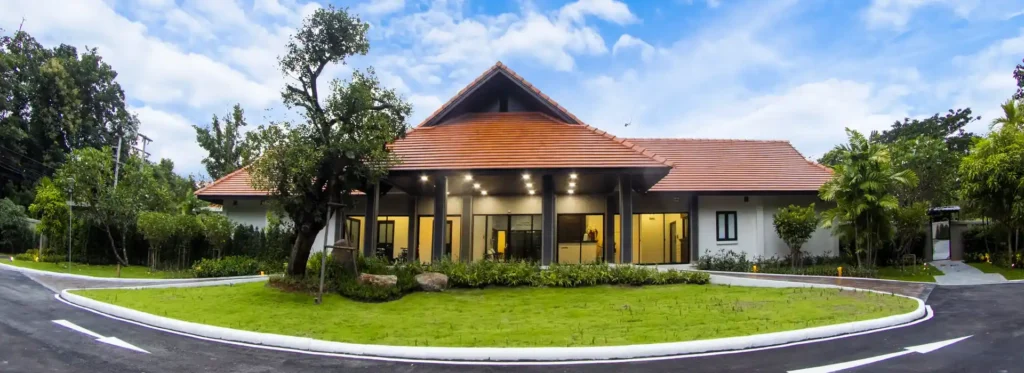
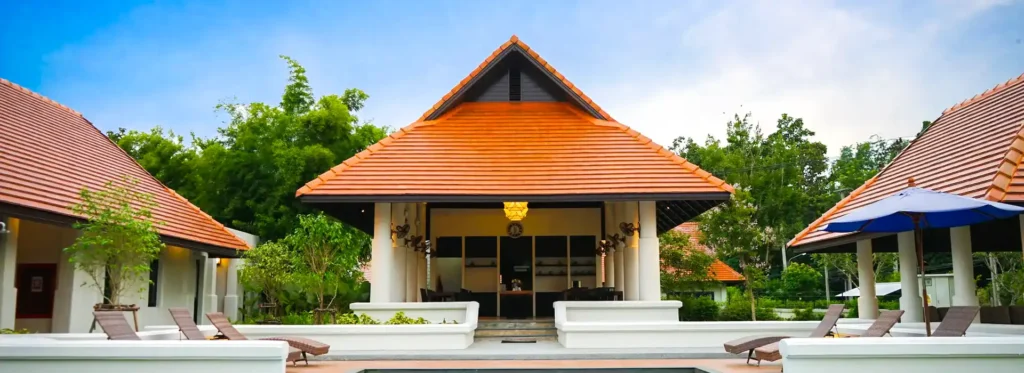
The Hills Rehab in Chiang Mai represents the kind of bespoke, evidence-based approach that is increasingly sought by people dealing with complex substance use and mental health challenges. Located in the secluded foothills of Northern Thailand, The Hills operates as a 20-bed residential programme within a wider network of 18 hospitals across Thailand. It is positioned as an exclusive, private setting designed to support both a healthy mind and body, with an emphasis on anonymity, calm, and distance from personal triggers.
One distinguishing feature of The Hills is its on-site medical clinic and separate mental health clinic, offering 24-hour nursing support. This is particularly important because detoxification, when clinically indicated, can be delivered in the comfort of the patient’s own room with continuous nursing care. Detox is not required for every client, and needs are assessed individually, including by a senior addiction expert.
Medical services include medically supervised detox options for alcohol, drugs, and prescription medications, with continuous monitoring and symptom management. The centre also offers a dedicated mental health programme for conditions including trauma and post-traumatic stress disorder, anxiety, and depression, with routine follow-up via its mental health clinic. This dual capacity allows the medical team of experts to manage both the physical process of withdrawal and the underlying psychiatric conditions that often accompany substance use.
The clinical offering at The Hills is framed as evidence-based and integrative, combining well-established therapeutic modalities with supportive services. Cognitive behavioural therapy and dialectical behaviour therapy are used extensively to help patients identify and change harmful thought patterns, build skills for emotional regulation, and manage distress.
For those who have experienced trauma, the centre incorporates Eye Movement Desensitization and Reprocessing (EMDR) and Brainspotting, both trauma-informed approaches that help patients process emotionally activating experiences while prioritising safety, pacing, and patient readiness.
Holistic supports include mindfulness and breathwork, yoga, massage therapy, fitness training, and other body-based practices such as trauma release exercises. Optional spiritual discussion elements are also available, recognising that for some individuals, a sense of meaning and connection is an important part of the recovery process.
A typical day at The Hills is structured to balance core therapeutic work with wellness activities. Mornings often begin with mindfulness practice, a walk or jog, and breathwork, followed by group therapy sessions and individual therapy formats such as CBT or DBT. Creative therapies such as art therapy, trauma release exercises, and reflective sessions are woven into the programme throughout the week.
Afternoons include one-on-one counselling, personal training, and relaxation treatments, with evenings reserved for reflection and optional activities. Weekend activities include self-care services such as spa treatments to support confidence and self-esteem, as well as community outings designed as exposure practice, allowing patients to practise coping skills in real-world settings.
This emphasis on routine allows the brain and body to stabilise, reduces the need for external coping mechanisms, and creates the conditions in which deeper therapeutic work can occur.
The Hills also offers a dedicated youth programme for young adults aged 18 and older, framed around both recovery and personal development. The programme emphasises skill-building for long-term stability, including emotional regulation and independent living skills, alongside holistic care and personalised treatment planning.
Given the data on youth vulnerability in Thailand—particularly the finding that over half of young people aged 15 to 25 have used addictive substances—this kind of targeted programming is essential. Young adults face unique challenges, including peer pressure, identity formation, and the transition to independence.
Hence, the youth track at The Hills includes 24-hour nursing availability, access to expert therapists, and psychiatric support, with a structured weekly and daily schedule that includes mindfulness, group therapy, creative therapies, one-on-one counselling, and weekend community outings.
Family support is positioned as part of the care model at The Hills, including education, therapy, and support for relatives impacted by substance use and mental health challenges. The focus is on communication, boundaries, and repairing relationship strain.
This is particularly important in the Thai context, where family cohesion is highly valued and where family strife is a known driver of substance use among young people. By involving families in the recovery process, treatment centres can help to address some of the relational dynamics that may have contributed to substance use in the first place, and can build a more supportive environment for sustained recovery.
The clinical team at The Hills includes:
This level of expertise is critical for managing complex dual-diagnosis cases, which often involve a mix of substance use and underlying psychiatric conditions such as borderline personality disorder or complex post-traumatic stress disorder. Continuous nursing coverage is highlighted as a key component of safety and support, particularly during the detoxification phase.

Thailand’s three-year experiment with cannabis decriminalisation, followed by its swift regulatory retreat, offers several lessons.
First, substance policy cannot be divorced from public health infrastructure. Opening access to cannabis without a robust framework for clinical oversight, public education, and mental health support created risks that were predictable and, in many cases, preventable.
Second, youth are particularly vulnerable to the unintended consequences of policy change. The lowering age of substance exposure, the perception of cannabis as harmless, and the use of substances as coping mechanisms in the face of family instability and economic strain all point to the need for targeted prevention and early intervention efforts.
Third, the shortage of psychiatric and psychological services in Thailand is not just a healthcare issue; it is a societal one. When people cannot access timely, affordable, and evidence-based care, substance use becomes entrenched, and the costs grow exponentially.
As Thailand enters its new era of cannabis regulation, the need for accessible, high-quality treatment for those affected by substance dependence is clear. The comprehensive, medically-supervised, and personalised model of care found in specialised inpatient centres such as The Hills offers a structured and supportive environment for people to address the underlying causes of addiction, develop healthy coping skills, and build a foundation for lasting recovery.
Cannabis is legal in Thailand only for medical use in 2025 and requires a valid prescription from a licensed healthcare professional.
In June 2025, Thailand reclassified cannabis flower as a controlled herb, ending open recreational access and returning it to a medical-only framework.
Recreational cannabis use is no longer legal in Thailand under the 2025 regulations.
Cannabis may be prescribed by licensed doctors, traditional Thai medicine practitioners, and dentists.
Wider access contributed to earlier exposure among young people and coincided with rising anxiety, depression, and problematic substance use.
Hospitalisations for cannabis exposure increased, particularly among young people and those with underlying mental health conditions.
The government reversed policy due to public health concerns, uncontrolled recreational use, and negative impacts on tourism and youth safety.
Cannabis is often used alongside other substances and can become part of poly-drug use patterns involving stimulants and synthetic drugs.
Treatment options include outpatient counselling, community-based programmes, and private inpatient rehabilitation with medical and mental health care.
Are you in need of assistance on your journey to recovery? Contact us. We are here to help. At our reputable rehab center, we offer a complimentary consultation to provide guidance and support tailored to your specific needs.
"*" indicates required fields
Interested in learning more about our programmes? Download our brochure to discover the services we offer.
Please select the programme brochure you’re interested in.
TH:
USA/CAN:
Thailand :
UK:
AUS:
Whatsapp: