

Alcohol Addiction Treatment in Thailand: What to Expect in Alcohol Rehab

Home Alcohol Addiction Treatment...

Deciding to seek help for alcohol dependence isn’t always easy. You may have been managing alcoholism for years and experience repeated attempts to cut back without lasting success. When local options feel limited, delayed, or financially out of reach, some begin exploring alcohol addiction treatment in Thailand as a clinically structured alternative.

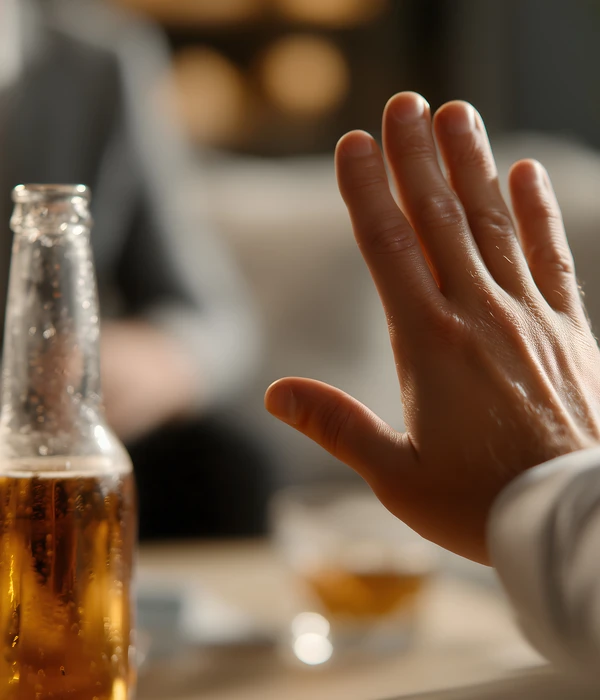
dont drink alcohol
stop drink

Is Alcohol Addiction Treatment in Thailand Right for You?

Choosing alcohol addiction treatment in Thailand can feel like a big step. At The Hills Rehab in Chiang Mai, we help clients and their families go through this process with empathy, discretion, and clinical expertise every step of the way. Many people are drawn to our tranquil, private setting for its balance of comfort, safety, and high-quality care.

If you or someone you love is struggling with alcohol dependence and needs structured support to stop drinking safely, residential treatment outside the UK may offer the clarity and focus needed for meaningful recovery. 

Inpatient alcohol treatment is usually recommended when someone has tried to stop drinking on their own but continues to struggle, experiences withdrawal symptoms, or is also dealing with mental health concerns. It may also be appropriate if there’s unstable housing, limited support at home, or medical need for alcohol detox.

Adults from all backgrounds are eligible to attend addiction rehab in Thailand, as long as they meet standard medical and visa requirements. Most programmes, including ours at the Hills, begin with a thorough pre-admission assessment to ensure the setting is clinically appropriate and safe for your specific needs.

If you’re unsure whether inpatient care is the right step, our team is here to help you make an informed, supportive choice.


If you’re physically dependent on alcohol, a medically supervised detox is the essential first step in your recovery. At The Hills Rehab, we provide onsite detox with 24/7 clinical care, so there’s no need to complete detox before arriving.

Our experienced medical team is here to support you every step of the way, helping ease discomfort and reduce risks with compassion and professionalism.

If you’re already abstinent and in stable health, you may be able to begin our therapeutic programme straight away. Before admission, we conduct a thorough medical screening and psychological assessment to ensure the right level of care for your needs.

Travelling abroad for treatment can feel overwhelming. That’s why our admissions team is here to offer clear, responsive support every step of the way. 

We’ll guide you through the visa process and help ensure all required documentation is in place. It’s also important to review routine vaccinations with your GP, follow any additional health advice, and bring along necessary prescriptions. Our team works closely with you to manage travel logistics, so your arrival feels as smooth and stress-free as possible.

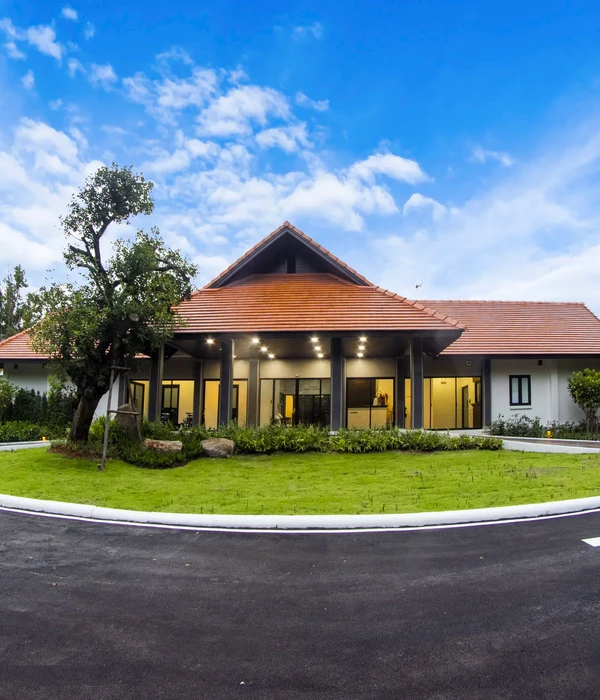
Explore Our Facility

See where treatment, reflection, and personal growth take place.

Detox and Medical Stabilisation

For many people considering addiction treatment in Thailand, detox is the most intimidating step. Alcohol withdrawal can be medically serious, particularly for those with long-term or heavy drinking. Because addiction is a disease that affects both brain and body, detox must be delivered with proper medical supervision.

Alcohol detox is conducted in a medically supervised setting with 24-hour nursing care and psychiatric oversight. Safe detox protocols should include structured assessment tools (such as CIWA-Ar), thiamine supplementation, seizure prevention strategies, and clear hospital transfer pathways if complications arise.

Detox is not simply about stopping alcohol. It is about stabilising the body safely so that psychological addiction treatment can begin.

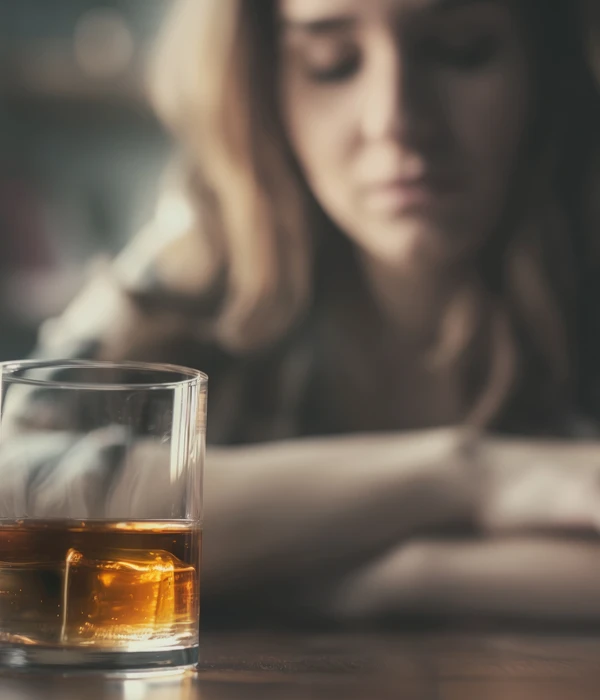
whiskey woman

Alcohol Withdrawal Timeline and Risks

Alcohol withdrawal symptoms can begin within 6–12 hours after the last drink. Early symptoms often include anxiety, tremors, sweating, nausea, and sleep disruption. Symptoms typically peak between 24 and 72 hours.

In more severe cases of alcoholism, withdrawal can lead to seizures or delirium tremens (DTs), both of which require urgent medical care. Risk is higher in individuals with previous withdrawal complications, co-occurring drug or alcohol addiction, or underlying health conditions.

Within a structured alcohol rehab, monitoring should include:

heart

Regular vital sign checks

Check table

Withdrawal severity scoring

food

Fluid and nutritional support

alert

Immediate escalation procedures if needed

Medications Used in Alcohol Detox and Monitoring Protocols

Evidence-based addiction treatment during detox commonly involves short-term benzodiazepines to reduce seizure risk. Additional medications may be used to manage blood pressure, nausea, sleep disturbance, or agitation.

All prescribing decisions should be overseen by a qualified physician or psychiatrist within a regulated rehab centre. Individuals with co-occurring addiction and mental health conditions require careful assessment and medication review.

Detox is the first stage of recovery from addiction. Once medically stable, patients move into the therapeutic phase of residential rehab, where structured treatment and therapy address the underlying drivers of alcoholism.

medication

Residential Programmes and Therapies

At The Hills, our inpatient rehab is delivered in a structured, clinically supported environment where you can step away from daily pressures and focus fully on your recovery. We understand that entering rehab can feel like a significant decision, so we prioritise safety, transparency, and personalised care from the outset.

We focus exclusively on residential treatment because we believe immersion creates space for meaningful change. When you remain in the same environment where alcohol use developed, it can be difficult to interrupt patterns that reinforce addiction.

A residential drug and alcohol setting allows you to step back, stabilise, and reflect without immediate exposure to everyday triggers.

For some individuals, outpatient addiction treatment is appropriate. However, for those with moderate to severe addiction, previous relapse, or complex addiction and trauma histories, a structured rehab environment often provides the level of safety and continuity required.

Within our addiction treatment centre in Thailand, you receive consistent therapeutic engagement, clinical monitoring, and peer connection. That continuity can be particularly valuable in the early stages of recovery, when emotions may feel heightened and confidence is still rebuilding.

CBT is a central component of our Thailand rehab centre because it offers practical, evidence-based tools for change. Many people struggling with addiction experience persistent self-criticism, rigid thinking patterns, or heightened anxiety that fuels alcoholism.

Through CBT, we work collaboratively with you to identify those patterns and develop healthier responses.

In both individual and group sessions, we help you build coping strategies for cravings, prepare for high-risk situations, and strengthen emotional regulation. As part of your broader addiction treatment programme, CBT supports you in understanding not just what you are changing, but how to maintain those changes long term.

Addiction and trauma are often closely linked. Many people entering alcohol rehab in Thailand have experienced stress, loss, or adverse life events that have shaped their relationship with alcohol. We approach this work with care and respect, recognising how vulnerable it can feel to explore these experiences.

Our trauma-informed approach to addiction treatment prioritises emotional safety and pacing. Stabilisation techniques, including grounding strategies and distress tolerance skills, are woven into your daily care so that you feel supported before deeper therapeutic exploration begins.

Relapse prevention is not something we leave until the final week of your stay. From the beginning of your residential rehab programme, we help you understand the patterns that sustain addiction and the early warning signs that can signal risk.

Together, we create a personalised plan that outlines practical strategies for managing cravings, navigating stress, and rebuilding daily structure. If certain times of day or social situations have historically been linked to drinking, we work with you to develop realistic alternatives that support addiction recovery.

We also recognise that relapse can be part of many people’s journey. If you have experienced setbacks before, we approach them as learning opportunities rather than failures.

Some clients resonate with the 12-step model of recovery, while others feel more at home with secular, skills-based approaches. We offer guided access to both, so you’re never pressured into a model that doesn’t feel right for you.

Whether you’re drawn to mutual-aid groups like SMART Recovery, mindfulness-based practices, or structured psychoeducational sessions, our programme provides space to explore what suits you best.

Our Clinical Team

Get to know the licensed professionals dedicated to your care and long-term success.

Dr. Awirut Oon-arom

Clinical Psychiatrist

Dr. Tanrin Hiranwong

Dr. Tanrin Hiranwong

Clinical Psychiatrist

Dr. Chayanis Som-on

Dr. Chayanis Som-on

General Practitioner

Tom Huijbers

Tom Huijbers

Clinical Director

Mental Health, Wellness, and Daily Life in Rehab

True addiction recovery involves restoring emotional stability, rebuilding confidence, and learning how to live differently, and not just abstain. Our programme supports the whole person, integrating dual diagnosis care, structured therapy, and restorative wellness practices within a safe and consistent daily rhythm.

Co-Occurring Mental Health Conditions

Many people seeking alcohol rehab are also living with anxiety, depression, trauma, or other mental health concerns. Addiction and mental health are closely linked, and it’s common for alcohol use to develop as a way of coping with distress.

Psychiatric assessment forms part of the admission process at The Hills. Our clinical team works collaboratively to ensure that both alcohol addiction and any co-occurring condition are treated together. This integrated model of drug and alcohol treatment is often referred to as dual diagnosis care.

Addressing mental health alongside addiction recovery can improve emotional stability, reduce relapse risk, and support longer-term outcomes. We aim to see the full picture of your experience to treat addiction effectively.

Holistic Treatment Approaches

Alongside structured psychological therapies, we incorporate holistic treatment approaches that support nervous system regulation and emotional balance. Mindfulness, guided meditation, and grounding techniques are woven into the weekly treatment programme to help you manage stress and reconnect with your body.

These practices are not positioned as substitutes for evidence-based addiction care. Rather, they complement it.

Many individuals find that mindfulness provides practical tools for coping with cravings, anxiety, and emotional reactivity. Over time, these skills can become anchors in daily life, long after leaving rehab in Thailand.

Physical wellbeing also forms part of this restorative process. Gentle exercise, yoga, and attention to nutrition help support the body’s recovery from alcohol use while reinforcing structure and routine.

Example Daily Timetable

A typical day within our residential rehab programme follows a clear and predictable rhythm. Mornings may begin with light movement or meditation, followed by individual or group therapy sessions grounded in evidence-based treatment.

Afternoons often include psychoeducation, relapse prevention planning, or trauma-informed work, alongside time for reflection or wellness activities.

Evenings provide space for peer connection and quiet integration. Having a structured schedule can feel reassuring, particularly in early addiction recovery when emotions may fluctuate. Consistency allows your nervous system to settle and creates a sense of forward movement.

This daily structure is one of the foundations of effective addiction rehab, helping transform insight gained in therapy into sustainable habits.

No drink
Smoke

Smoking And Vaping Rules

We recognise that many individuals entering alcohol rehab in Thailand continue to use nicotine. While our primary focus is addiction treatment, we approach nicotine use with harm reduction principles rather than judgement.

Smoking is permitted in designated outdoor areas. Some clients choose to address nicotine dependence during their stay, while others prefer to focus first on alcohol or drug-related concerns. These decisions are discussed openly within your treatment plan.

Please take note, however, that vapes are illegal in Thailand, so please don’t bring them with you. 

Technology Policy: Phones, Laptops, And Internet Use

Staying connected to loved ones can play an important role in addiction recovery. At the same time, boundaries are necessary to protect the therapeutic process.

Within our rehab centre, personal devices may be used during designated periods, allowing you to maintain contact with family while remaining engaged in your treatment programme.

For some individuals travelling internationally for alcohol rehabilitation in Thailand, maintaining limited professional communication is also a consideration. We work with you to balance practical needs with clinical priorities, so that technology support rather than distracts from your recovery.

Family Contact And Involvement During Rehab

Addiction rarely affects only one person. Families often carry worry, confusion, and emotional strain. Within our drug and alcohol rehab journey model, we encourage appropriate family involvement when it supports recovery.

Clients can maintain scheduled contact through phone or video calls. Where helpful, we facilitate virtual family sessions that allow open discussion, boundary setting, and shared understanding. For UK families unable to travel, this continuity can help bridge the distance and strengthen support systems ahead of discharge.

Healing relationships can be an important part of building life free from addiction, but this work always proceeds at a pace that feels emotionally safe.

Dietary Requirements And Medical Conditions

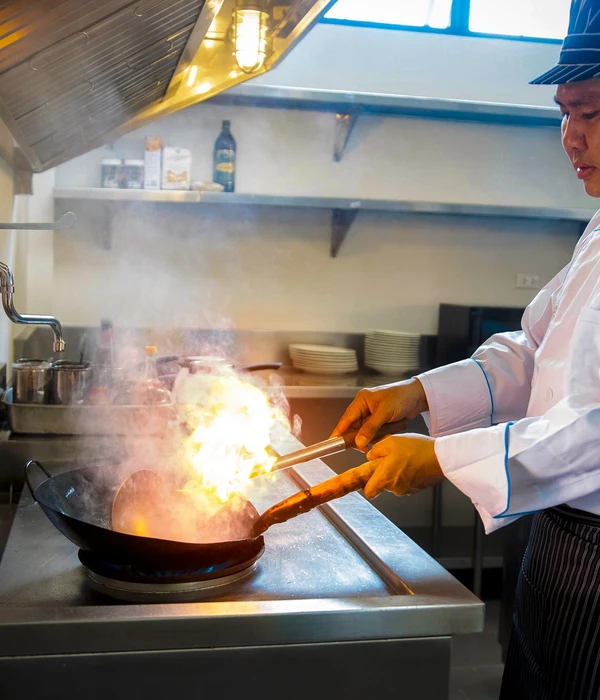
Physical health and addiction recovery are closely connected. Nutritional stability supports mood regulation, sleep, and overall resilience during residential rehab. Our kitchen team accommodates a range of dietary requirements, including vegetarian, vegan, gluten-free, and allergy-specific needs.

If you are living with medical conditions such as hypertension, diabetes, or alcohol-related health concerns, these are reviewed during admission and monitored throughout your stay. Safe addiction treatment in Thailand requires attention not only to psychological wellbeing but also to ongoing physical health.

We aim to create a treatment experience where you feel cared for in a way that is respectful, collaborative, and clinically responsible.

Patient Reviews

Honest feedback from individuals and families who trusted us with their care.

The Hills Vs. Other Alcohol Rehab Centres in Thailand

At The Hills, we have designed our rehab in Thailand specifically for international clients seeking structured, evidence-based addiction care in a calm and private setting. Our goal is to provide a treatment experience grounded in dignity and accountability.

Purpose-Built Environment and Clinical Governance

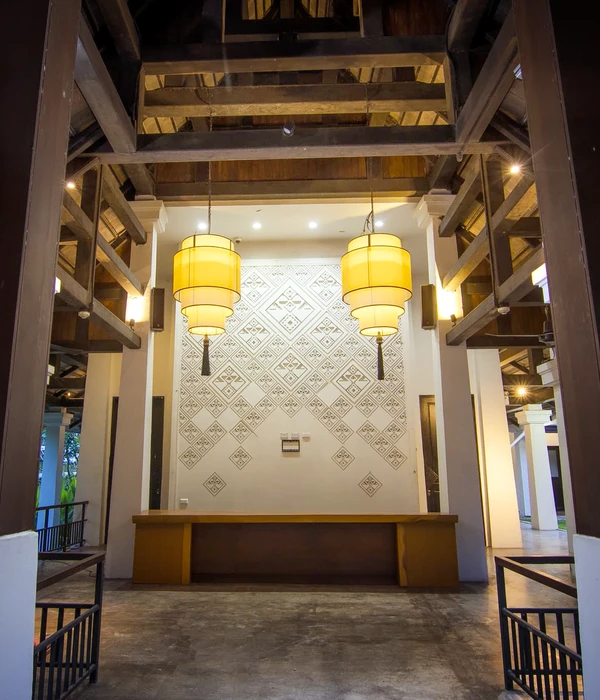
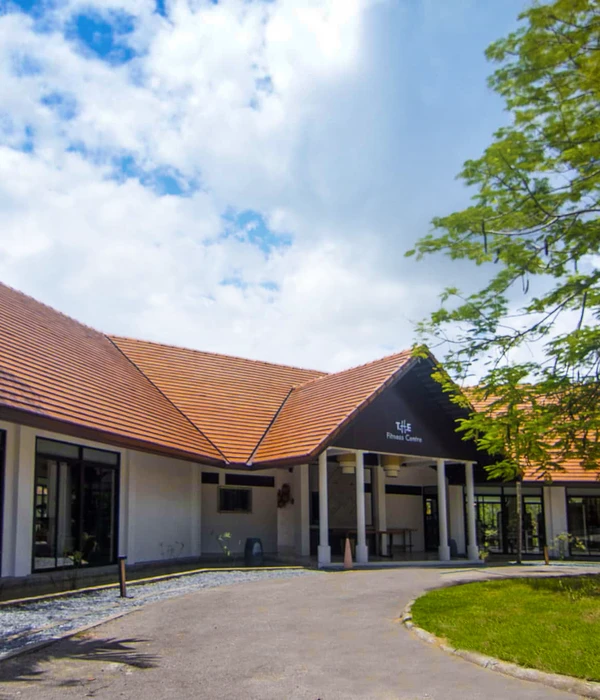
Our 14-acre site was designed specifically for recovery, offering a private onsite hospital/clinic, 24-hour security, and secure, comfortable accommodation. This purpose-built environment allows you to feel safe, supported, and cared for at every stage of treatment.

We’re licensed by Thailand’s Ministry of Health and accredited by AACI America. These external validations that reflect our commitment to clinical excellence and safety. With these standards, you get a level of care you can trust when making the decision to get help abroad.

The Hills rehab chiang mai pool view
Nurse

Onsite Medical And Psychiatric Staffing

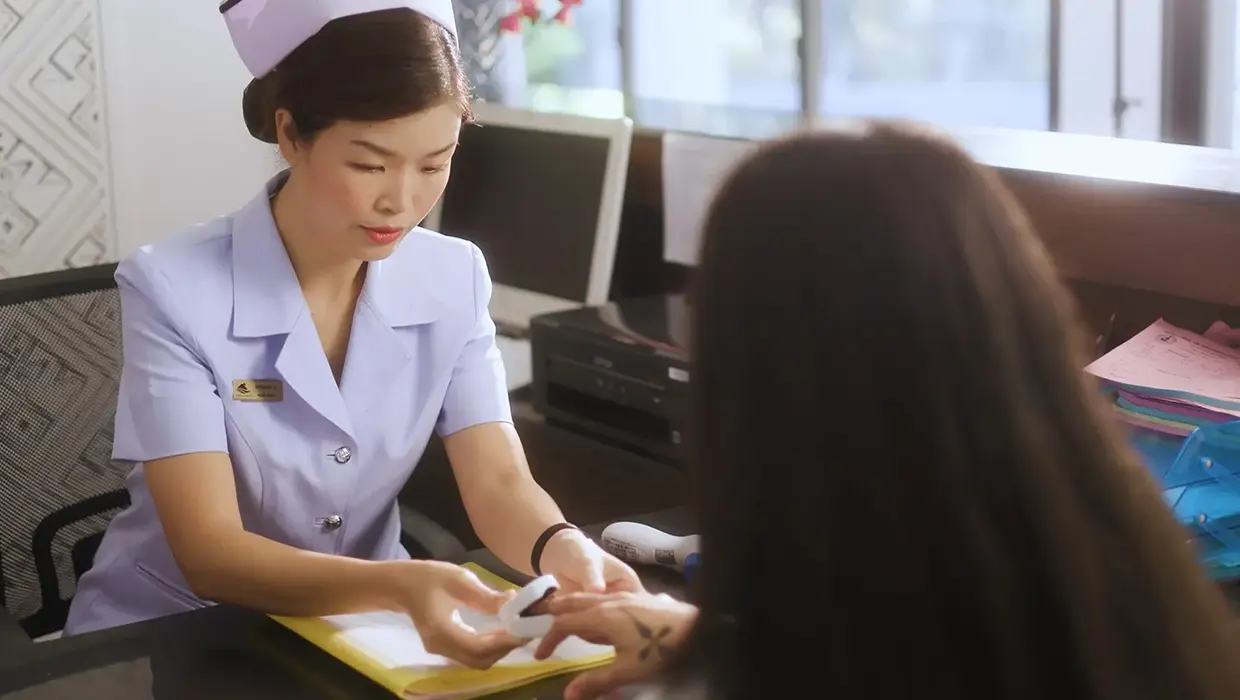
Detox and stabilisation are managed onsite within our residential rehab setting. Our 24-hour nursing team and full-time psychiatrist oversee medical care, medication management, and mental health assessment throughout your stay.

Many individuals entering rehab have complex needs, including co-occurring addiction and mental health concerns or prior withdrawal complications. Continuous medical presence allows us to respond quickly if symptoms escalate and to adjust treatment plans in real time.

We also maintain a balanced staff-to-client ratio to ensure attentive monitoring without compromising privacy. In rehabs in Thailand, visible and accessible clinical leadership is a critical marker of safety.

Cultural Sensitivity And English-Speaking Team

All members of our clinical team at The Hills are fluent in English, with many holding professional credentials from the UK, US, or Australia.

Beyond language fluency, we prioritise building respectful, culturally sensitive relationships that help you feel seen, heard, and safe to be yourself throughout treatment. We understand how important it is to feel understood, and we’re here to make that transition easier.

All clinical materials, group sessions, and assessments are conducted in English to guarantee there are no communication barriers for our UK-based and other English-speaking clients.

business man
imgi-20-5929-01-page

Treatment Monitoring And Measuring Outcomes

Effective addiction treatment should be measurable. Throughout your stay, we conduct regular clinical reviews to assess psychological stability, relapse risk, and progress toward agreed goals. Your treatment plan is adjusted when needed, rather than remaining static.

We monitor indicators such as emotional regulation, engagement in therapy, and readiness for aftercare planning. These reviews help ensure that treatment remains responsive and evidence-based, rather than routine.

Our focus is not only short-term abstinence, but sustainable addiction recovery. That means preparing you for life after Thai rehab, with structured discharge planning and continuity of care arrangements before you return home.

Treatment Costs, Inclusions, and Insurance Coverage

Understanding the full cost of rehab abroad is an essential part of making an informed decision. For many people in the UK, private treatment at home can be financially out of reach or involve long waiting times. Treatment in Thailand may represent a different pricing structure, but cost should never be considered in isolation from safety and quality of care.

Typical Price Ranges And What Is Included

Residential treatment fees generally include accommodation, medically supervised detox where required, psychiatric assessment, structured psychological therapies, nursing care, and daily meals. Wellness activities that form part of the therapeutic schedule are also included, as are airport transfers within agreed parameters.

Length of stay is one of the primary variables affecting cost. Following clinical assessment, we provide a written breakdown of fees based on your recommended treatment duration and level of care. If additional psychiatric consultations or specific therapeutic interventions are clinically indicated, these are discussed openly before being added.

We believe financial clarity supports trust. You should understand exactly what your treatment programme covers before you travel.

professional work

Potential Additional Costs And How To Avoid Surprises

Although most services are incorporated into standard residential fees, certain circumstances may lead to additional charges. These can include specialised medications not routinely stocked, off-site hospital consultations if clinically required, advanced diagnostic testing, or extended stays beyond the original agreement.

To avoid unexpected costs, we provide a clear admissions agreement outlining inclusions and possible extras. We also encourage prospective clients and families to ask detailed questions in advance. Transparent discussion at the outset reduces stress later and allows you to plan realistically.

If hospital transfer is ever required for acute medical care, we explain how billing would be managed and what insurance documentation may be needed. Clear communication is particularly important for international clients.

International Insurance Acceptance And Pre-Authorisation

Some clients hold international private health insurance policies that may contribute toward overseas behavioural health treatment. Coverage varies significantly between providers and policies. It is important to confirm in advance whether your insurer reimburses treatment delivered outside the UK and whether pre-authorisation is required.

Our admissions team can assist with documentation typically requested by insurers, such as treatment plans, diagnostic codes, and medical necessity letters. However, final confirmation of coverage always rests with the insurer.

We recommend contacting your insurance provider before committing to travel. Ask specifically about:

imgi-30-8254-01-page

Where insurance does not apply, we discuss self-funding arrangements and staged payment options transparently.

Financial planning should not add to the emotional burden of seeking help. Our aim is to ensure that cost, inclusions, and insurance processes are clear, structured, and discussed with care — so that your focus can remain on recovery.

Aftercare And Ongoing Support Back In The UK

Recovery does not end when you leave residential treatment. It continues as you return home, re-enter routines, and begin applying what you have learned in everyday life. We understand that this transition can feel uncertain, which is why aftercare planning begins early in your stay.

Before discharge, you and your therapist will create a personalised relapse prevention plan. Together, you will identify triggers, early warning signs, and practical coping strategies tailored to your home environment. 

We provide discharge documentation that can be shared with your GP or local healthcare provider, helping ensure medical continuity. Where appropriate, we can also refer you to UK-based therapists or mutual aid groups so you aren’t facing recovery alone.

For those who would like continued connection, we offer remote aftercare sessions via secure video appointments. These check-ins provide accountability and guidance as you settle back into daily life.

Begin Addiction Recovery at The Hills

If you are considering an alcohol rehab centre in Thailand, you may have been sitting with this decision for longer than anyone else realises. Reaching out can feel daunting, particularly if you have tried before or are living with drug and alcohol addiction or behavioural addiction in addition to alcohol use.

At The Hills, we speak with people seeking help for alcohol concerns, drug rehab, and other forms of addiction every day. Our role is to help you understand your options clearly, not to pressure you into a decision.

If and when you feel ready, we invite you to contact our admissions team to discuss your circumstances in confidence. Recovery rarely begins with dramatic change. It often begins with a thoughtful conversation about what might be possible next.

Frequently Asked Questions

Alcohol rehab in Thailand is typically more affordable than private treatment options in the UK, often offering excellent value for high-quality care. Costs at The Hills Rehab depend on the length of your stay and any specific medical needs. We’re completely transparent about what’s included, and before admission, and we’ll walk you through any optional or additional costs.

Many UK residents with international or PPO insurance plans may be eligible for partial reimbursement when receiving treatment abroad. We accept most PPO insurance policies and can guide you through the pre-authorisation process. Our dedicated team is here to support you at every step and help you clarify what’s covered before making any commitments.

The length of your rehab depends on your personal needs, but most clients stay between 28 and 60 days. This gives you enough time to heal without rushing the process. If clinically appropriate or if you feel you need more time, extensions are available.

Yes, if medical detox is needed, it’s usually included as part of rehab in Thailand. At The Hills Rehab, we provide a safe and closely monitored detox experience right on-site. Our 24/7 nursing team works under psychiatric supervision, and medication can be prescribed to help ease withdrawal symptoms and support both comfort and safety.

Before you leave treatment, we’ll work with you to create a personalised aftercare plan tailored to your needs. This may include remote therapy sessions, referrals to trusted providers in the UK, and links to local peer-support groups to help keep you connected. Our team at The Hills also offers ongoing support via Zoom, making it easier to stay on track and feel supported as you settle back into daily life.

Yes, dual diagnosis treatment is available at centres like The Hills Rehab, where our on-site psychiatric team is here to support you. With an integrated approach that includes both medication and therapy, your individual care plan is designed to treat your whole experience, not just the substance use.

Contact Us


    Scroll to Top