








Cocaine Detox in Thailand: Cocaine Addiction Treatment and Rehab in Thailand

Home Cocaine Detox in...

If you or someone you care about is struggling with cocaine use, seeking help can feel scary.  Here at The Hills Rehab Chiang Mai, we understand how difficult this stage can feel. Our approach to cocaine detox in Thailand combines medical supervision and compassionate care within a secure residential environment.

Our purpose-built treatment centre in Thailand offers medically supported detox and comprehensive rehab programs for people experiencing cocaine addiction or other forms of substance use disorder.

Understanding Cocaine Addiction and Why Detox Matters

Cocaine addiction can develop gradually. Some people first encounter cocaine in social environments, while others may begin using it during periods of stress or emotional difficulty. Over time, repeated cocaine use can lead to dependency and affect overall well-being.

For many cocaine users, the brain’s reward system becomes strongly linked to the drug. This can make it difficult to stop without structured support. As a result, cocaine addiction often involves both physical withdrawal symptoms and powerful psychological cravings.

Here at The Hills, we recognise that treating cocaine addiction requires more than simply stopping drug use. Recovery involves addressing the root causes of addiction, managing withdrawal symptoms safely, and building healthier coping strategies through professional support.

Cocaine addiction can also appear alongside other challenges such as alcohol addiction or underlying mental health conditions. As such, our addiction treatment centre addresses addiction and mental health together through an integrated approach.

Inside Our Rehab Centre

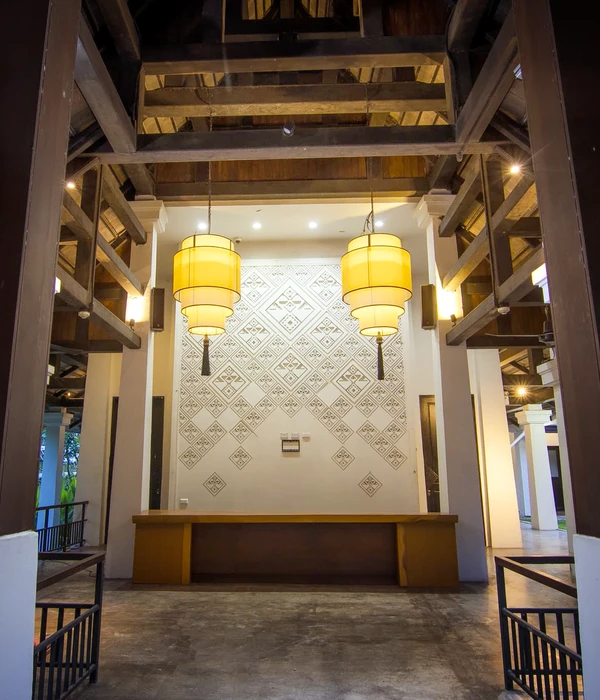
Browse images of our treatment spaces, accommodations, and therapeutic environments.

Start Your Journey to Lasting Recovery with The Hills

Many people delay seeking treatment because they fear withdrawal. While cocaine detox is generally less medically dangerous than withdrawal from alcohol or certain sedatives, it can still be emotionally and physically challenging.

Cocaine withdrawal symptoms may include:

  • Intense fatigue
  • Depression or low mood
  • Irritability
  • Strong cravings
  • Sleep disturbances
  • Anxiety or restlessness
  • Difficulty concentrating

Because these symptoms can be distressing, detox within a professional rehab centre in Thailand provides a safer and more supportive option than attempting to stop alone.

Here at The Hills, detox takes place within a medically supervised environment where clients receive ongoing monitoring and emotional support. According to our treatment guidelines, detox is overseen by a psychiatrist with 24-hour nursing support, ensuring safety and comfort throughout the process.

The Hills rehab chiang mai pool view

Cocaine Detox in Thailand at The Hills Rehab Chiang Mai

Deciding to start medical detox is feel like a big step, and that’s why full support is important.

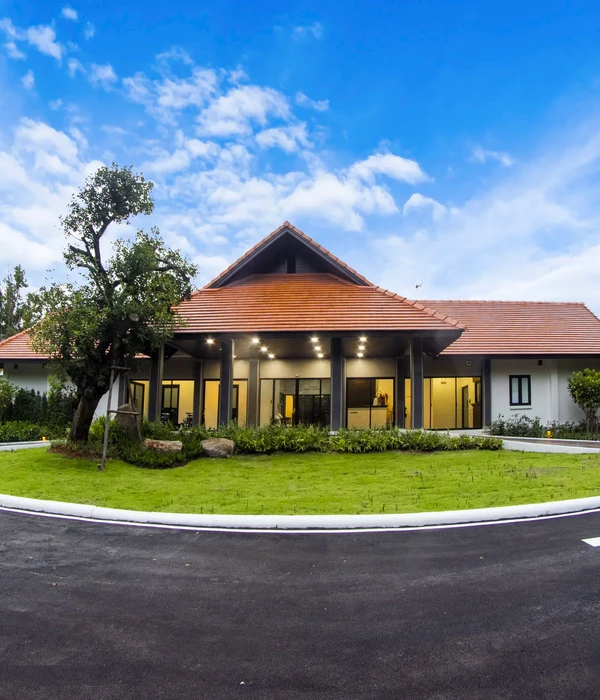
At The Hills, many clients travel from Australia, the UK, Europe, or other regions to access structured treatment and privacy away from everyday stressors. Our centre in Thailand is located in the hills of Chiang Mai on a peaceful 14-acre campus designed to support healing and recovery.

Every admission to our treatment centre begins with a detailed medical and psychological assessment conducted by our clinical team. This step helps us understand the severity of your addiction, your physical health, and any mental health concerns that may need attention during treatment.

The assessment typically includes a review of your medical history, patterns of cocaine use, previous treatment experiences, and any co-occurring mental health conditions. We also explore factors such as stress, trauma, or lifestyle challenges that may have contributed to cocaine addiction.

This information allows our clinicians to develop a personalised treatment plan tailored to your needs. By identifying both the physical and psychological aspects of addiction early, we can provide safer and more effective support during the initial stabilisation phase.

Withdrawal management at our cocaine rehab centre in Thailand is overseen by a full-time psychiatrist and supported by experienced clinical staff. Medical supervision ensures that any withdrawal symptoms are monitored closely and managed appropriately.

Although cocaine withdrawal is generally less medically dangerous than alcohol withdrawal or certain other substances, psychological symptoms such as depression, anxiety, or intense cravings can still occur. Having a psychiatrist involved allows us to monitor mood changes and provide immediate clinical support when needed.

Psychiatric oversight also helps ensure that the stabilisation process progresses safely and that any underlying addiction and mental health concerns are recognised early in the recovery journey.

During detox, our nursing team provides continuous monitoring to support your safety and comfort. At The Hills, detox takes place within a secure rehab centre where medical staff are available around the clock. 

This level of supervision allows us to respond quickly to any withdrawal symptoms or complications that may arise. It also provides reassurance for clients who may feel anxious about stopping cocaine use.

Many people enter detox feeling uncertain or physically exhausted from cocaine abuse. Having trained professionals available 24 hours a day ensures that clients are never left to manage symptoms alone.

While there is no single medication specifically designed for cocaine withdrawal, certain medications may be used during detox to help manage symptoms such as anxiety, sleep disturbances, or agitation.

Our clinical team carefully evaluates each individual to determine whether medication support is appropriate. Any medications prescribed are administered under medical supervision and adjusted based on your response.

This approach helps reduce discomfort and stabilise both mood and sleep patterns, allowing individuals to transition more comfortably into the next stage of treatment.

Withdrawal from cocaine is often more psychological than physical. Individuals may experience emotional lows, strong cravings, or feelings of hopelessness during the early stages of detox.

For this reason, emotional support is an essential part of our programme. Throughout the process, clients have access to therapists, counsellors, and peer support within the rehab in Thailand environment.

We understand that detox can feel like a vulnerable time. Our team focuses on creating a safe and compassionate setting where individuals can talk openly about their experiences and begin addressing the root causes of addiction.

Meet the Team at The Hills

Our multidisciplinary team brings experience, empathy, and expertise to every treatment plan.

Dr. Awirut Oon-arom

Clinical Psychiatrist

Dr. Tanrin Hiranwong

Dr. Tanrin Hiranwong

Clinical Psychiatrist

Dr. Chayanis Som-on

Dr. Chayanis Som-on

General Practitioner

Tom Huijbers

Tom Huijbers

Clinical Director

Cocaine Addiction Treatment After Cocaine Detox

Detox is only the first step in recovery. While detox helps stabilise the body, long-term healing requires structured therapy and behavioural change.

Following detox, clients transition into our residential treatment program. This immersive cocaine rehab program allows clients to focus on recovery without the distractions or triggers that often accompany everyday life.

At our cocaine rehab centre in Thailand, residential treatment typically includes:

  • Individual therapy sessions
  • Group therapy and psychoeducation
  • Relapse prevention training
  • Physical wellness activities
  • Ongoing psychiatric care

Residential stays at our rehab Thailand facility typically range from 28 to 90 days, depending on individual progress and treatment needs. This structured approach helps clients build the skills needed for long-term cocaine addiction recovery.

Evidence-Based Therapies for Cocaine Addiction Treatment

Here at The Hills, our cocaine addiction treatment program combines evidence-based psychological therapies with supportive wellness activities. Recovery from cocaine addiction rarely involves a single solution. Instead, effective treatment often requires a combination of therapeutic approaches that address the deeper psychological factors that may contribute to substance abuse.

Cognitive Behavioural Therapy (CBT)

Cognitive Behavioural Therapy is one of the most widely used and well-researched therapies for substance use disorders. In the context of cocaine addiction treatment, CBT focuses on helping individuals understand how thoughts, emotions, and behaviours are interconnected.

Many people struggling with cocaine addiction develop automatic thought patterns that reinforce drug use. For example, someone might turn to cocaine as a way to cope with stress, social pressure, or difficult emotions. Over time, these patterns can become deeply ingrained.

Through CBT sessions, clients learn to identify these patterns and examine the beliefs that sustain them. Therapists guide individuals in recognising triggers, such as certain environments, emotional states, or social situations that increase the urge to use cocaine.

woman silhouette
friends listening comforting each other group

Dialectical Behaviour Therapy (DBT)

Dialectical Behaviour Therapy was originally developed to help individuals manage intense emotional experiences. It teaches practical skills that help individuals manage these emotional experiences more effectively.

The therapy is built around several core areas: Emotional regulation, distress tolerance, mindfulness, and interpersonal effectiveness.

In cocaine rehab, these skills helps in responding to challenging emotions in healthier ways. Clients slowly develop greater emotional stability and resilience, reducing the likelihood of returning to addiction.

Motivational Interviewing

Motivational Interviewing (MI) is a collaborative therapeutic approach that helps strengthen a person’s internal motivation for change.  Rather than confronting or pressuring clients, MI focuses on open conversation and guided self-reflection. Therapists help individuals explore their goals, values, and personal reasons for seeking recovery.

Through this process, clients begin to identify the discrepancies between their current behaviour and the life they want to lead. For example, someone might recognise that continued cocaine use conflicts with their desire for stable relationships, career progress, or improved mental health.

MI also helps build self-efficacy, the belief that change is possible. By strengthening confidence and personal commitment, this therapy supports clients as they move from uncertainty toward active participation in their recovery journey.

professional-woman-holding

Trauma-Informed Therapy

Many people experiencing drug addiction have histories of trauma or unresolved emotional distress. Traumatic experiences can influence how individuals cope with stress, relationships, and difficult emotions. In some cases, cocaine use develops as a way of temporarily escaping or numbing these painful experiences.

Trauma-informed therapy recognises the significant role that trauma may play in addiction. Rather than focusing solely on substance abuse, this approach creates a safe therapeutic environment where individuals can explore underlying emotional wounds at a pace that feels manageable.

Techniques used within trauma-informed therapy may include structured psychotherapy, grounding exercises, and specialised approaches such as EMDR for trauma processing.

Dual Diagnosis for Addiction Recovery

Cocaine addiction rarely develops in isolation. At The Hills Rehab Chiang Mai, we recognise that long-term recovery requires more than addressing substance use alone.

Our approach to addiction and mental health treatment focuses on understanding how these issues interact and supporting clients in treating both simultaneously. From the beginning of treatment, our clinical team conducts a comprehensive psychiatric assessment to identify any co-occurring conditions that may require attention during rehab.

This integrated approach, often referred to as dual diagnosis care, allows our therapists and medical staff to develop a treatment plan that addresses both cocaine addiction and mental health concerns together. Directly addressing the emotional drivers behind substance abuse equips clients to manage stress and maintain their progress after leaving addiction rehab.

Patient Reviews and Stories

Hear directly from those who have experienced treatment with us.

Holistic Treatment and Wellness Activities

Recovery is not only about therapy sessions. Supporting physical health and emotional wellbeing also plays an important role in long-term recovery.

Our holistic treatment approach complements evidence-based therapies with activities such as:

  • Personal training and fitness programs
  • Yoga and mindfulness practices
  • Art therapy
  • Massage therapy
  • Meditation and monk chats
  • Nature walks and outdoor activities

These supports help individuals rebuild balance and reconnect with themselves during cocaine rehabilitation. 

Holistic therapies are designed to complement, not replace, clinical treatment. At The Hills, we combine both approaches to support sustainable recovery.

Costs for Our Cocaine Rehab Centre in Thailand

At The Hills, we believe transparency around costs helps people plan with greater confidence and focus on what matters most, beginning recovery.

Program fees typically include private accommodation, access to all therapy sessions, psychiatric and medical care, medication management where required, and participation in our wellness and fitness activities. These elements form the core of the treatment experience.

In addition to clinical care, our programs also incorporate aftercare planning and ongoing recovery preparation. Throughout treatment, clients work closely with therapists to develop strategies for managing cravings and maintaining progress once they return home.

Costs can vary depending on factors such as the length of stay, the type of accommodation selected, and any additional medical services that may be required during treatment. Our admissions team provides a detailed breakdown of program fees before admission so that individuals and families have a clear understanding of what is included.

Ongoing Support After Addiction Rehab in Thailand

Recovery from cocaine addiction does not end when residential treatment finishes. The transition back to everyday life can be one of the most important stages of the recovery journey. 

For this reason, aftercare planning is a central part of every addiction treatment program at The Hills.

From the early stages of treatment, our clinical team works with each client to prepare for life after rehab. This process involves identifying potential challenges, strengthening coping strategies, and building a supportive network that will continue beyond the residential program.

Many clients continue to engage in remote counselling sessions with our therapists through secure online platforms such as Zoom. These sessions allow clients to discuss challenges that arise during their transition home and receive guidance as they adapt to their new routines.

Start Cocaine Addiction Treatment in Thailand with The Hills

Deciding to seek help for cocaine addiction is rarely easy. You may be feeling uncertain about what treatment involves, or wondering whether travelling for rehab is the right step. These questions are completely normal. What matters most is recognising that support is available and that recovery is possible.

Here at The Hills Rehab Chiang Mai, we provide compassionate, evidence-based cocaine addiction treatment in Thailand within a safe and supportive residential setting.

Our team understands that every person’s experience with addiction is different. From medically supervised detox through to therapy and aftercare planning, we work with you to create a personalised treatment plan that supports your long-term recovery.

If you are considering cocaine detox in Thailand, our admissions team is here to help you explore whether our program is the right fit for you or your loved one. Recovery starts with taking the first step, and we are here to walk that path with you.

imgi-20-5929-01-page

Frequently Asked Questions

Detox is often the first step in treatment for drug addiction, allowing the body to safely clear substances while medical professionals monitor withdrawal symptoms. During this stage, individuals receive clinical support to manage physical discomfort and emotional distress that may occur when stopping drug use. Once detox is complete, clients are better prepared to begin therapy and structured rehab programs that address the underlying causes of addiction.

When you enter a professional treatment centre, the first step is typically a comprehensive assessment to understand your health, substance abuse history, and mental wellbeing. This assessment helps clinicians develop a personalised treatment plan. In a residential rehab setting like The Hills, you also benefit from a structured daily routine, ongoing clinical care, and a supportive recovery environment.

A structured cocaine addiction rehab program usually begins with detox, followed by therapy and recovery-focused support. During the program, clients participate in therapy and other psychological treatment options that help address the behavioural patterns behind addiction. The goal of rehab is not only to stop substance use but also to develop healthier coping strategies and build a sustainable foundation for long-term recovery.

Yes. Many individuals struggling with cocaine addiction may also experience problems with alcohol. For this reason, many rehab centres offer integrated alcohol rehab alongside treatment for other substances. Treating both alcohol and drug use together can improve recovery outcomes by addressing the full pattern of substance use rather than focusing on a single substance.

The most effective treatment option often depends on the severity of addiction, the presence of mental health concerns, and personal circumstances. For many people with moderate to severe cocaine addiction, residential rehab provides the safest and most structured environment for recovery. This setting allows clients to receive addiction help at a rehab facility while temporarily stepping away from everyday triggers.

A luxury rehab provides the same clinical treatment as other rehabilitation centres but within a more comfortable and private setting. Facilities may include private rooms, wellness activities, fitness facilities, and peaceful surroundings that support healing. This environment helps reduce stress and allows clients to focus more fully on recovery while receiving professional addiction treatment.

Contact Us


    Scroll to Top