





MDMA Addiction Treatment in Thailand: Drug and Alcohol Rehab in Thailand

Home MDMA Addiction Treatment...

Seeking MDMA addiction treatment in Thailand can feel like a difficult step to take. Many people who reach this point never expected their drug use to develop into something that affects their wellbeing, relationships, or sense of stability. 

At The Hills Rehab Chiang Mai, we provide structured addiction treatment within a supportive, medically supervised environment. Our luxury rehab in northern Thailand combines evidence-based therapy, integrated mental health treatment, and holistic support to help people begin lasting recovery from addiction.

portrait-abstract-overstimulated-feelings-page
group-friends-holding-hands-page

Understanding MDMA Addiction and Drug Use

MDMA, sometimes called ecstasy or molly, is often associated with nightlife, festivals, and social settings. Because it is sometimes viewed as a “party drug,” many people underestimate the potential risks associated with repeated drug abuse.

However, MDMA can lead to substance addiction, particularly when used frequently or in combination with other substances. This can cause the brain’s natural chemical balance to become more disrupted, affecting mood, sleep, memory, and emotional regulation.

At our addiction treatment centre, we frequently work with individuals who initially used MDMA recreationally but later found themselves struggling with addiction and unable to stop without professional support and treatment.

MDMA addiction often overlaps with broader patterns of drug and alcohol addiction, including alcohol use, stimulant misuse, or other forms of substance use. In these situations, comprehensive treatment programs are essential to address all aspects of addiction and mental health together.

Signs and Symptoms of MDMA Addiction

MDMA addiction can develop gradually, which means many people do not recognise the warning signs at first. Some of the most common indicators include:

chart increase

Increasing frequency of drug use

lucide_stars

Needing larger doses to achieve the same effects

hugeicons_sad-01

Experiencing mood crashes or depression after using MDMA

tdesign_angry

Anxiety, irritability, or emotional instability

fluent_thinking-20-filled

Difficulty concentrating or remembering things

hugeicons_sleeping

Changes in sleep patterns

streamline-plump_lost-and-found

Loss of interest in normal activities

pills

Continued drug abuse despite negative consequences

MDMA can also contribute to mental health challenges such as anxiety, burnout, trauma responses, or depression. When addiction and mental health concerns occur together, specialised addiction and mental health treatment becomes especially important.

Health Risks of Untreated MDMA Addiction

While MDMA does not typically cause the same physical dependence as some other drugs, it can still have serious long-term effects.

Repeated MDMA use may affect the brain’s serotonin system, leading to problems with mood regulation, emotional stability, and cognitive functioning. Some people experience prolonged anxiety, memory issues, or depressive symptoms after extended MDMA use.

There are also risks associated with overheating and dehydration, heart complications, contaminated substances, and increased vulnerability to other substances. Without treatment, patterns of drug use may escalate into broader drug addiction involving multiple substances. This is why early intervention through drug addiction treatment is so important.

At our treatment centre, we focus on helping individuals understand the underlying aspects of addiction and build healthier coping strategies that support long-term recovery.

portrait-serious-unshaven-man-makes-stop-symbol-demonstrates-page

Inside Our Rehab Centre

Browse images of our treatment spaces, accommodations, and therapeutic environments.

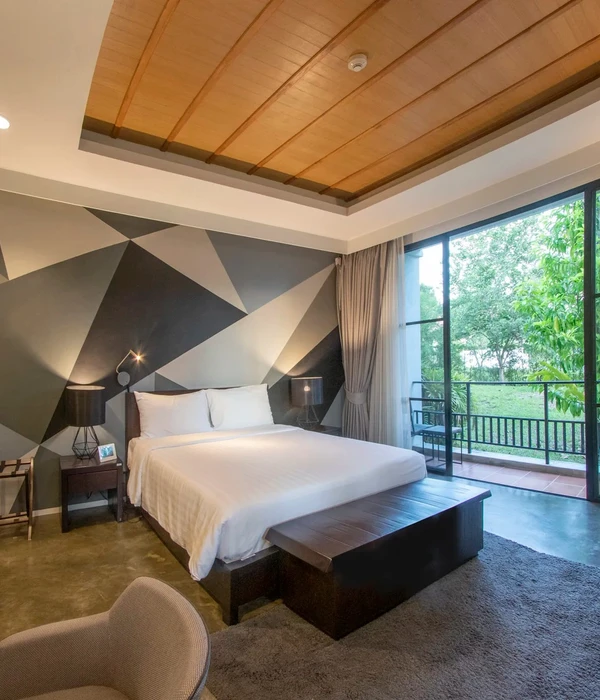
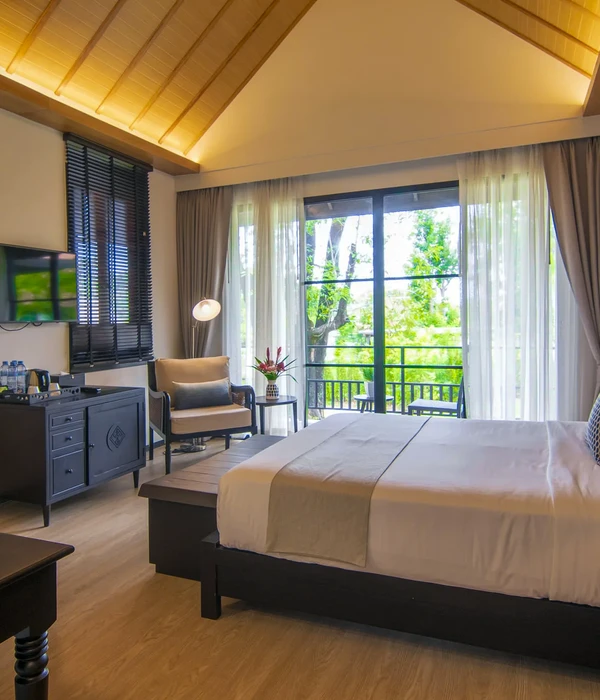
The Hills private Room

MDMA Addiction Treatment in Thailand at The Hills Rehab Chiang Mai

At The Hills Rehab, our approach to addiction is grounded in compassion, clinical expertise, and individualised care.

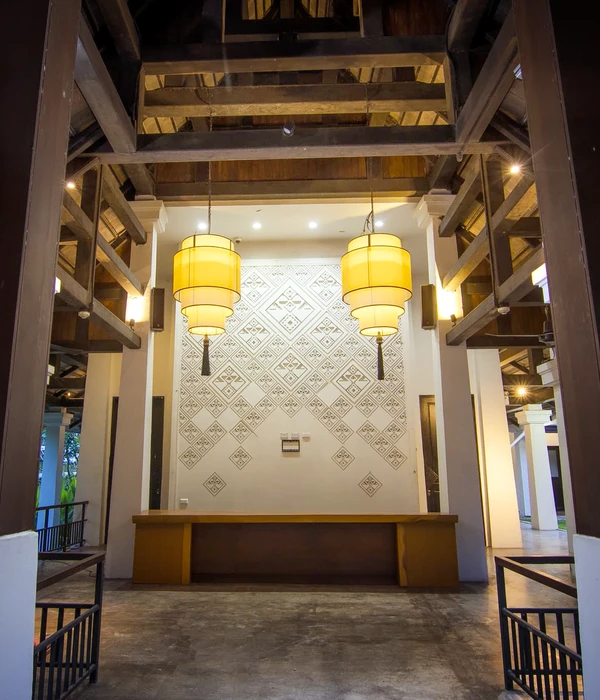
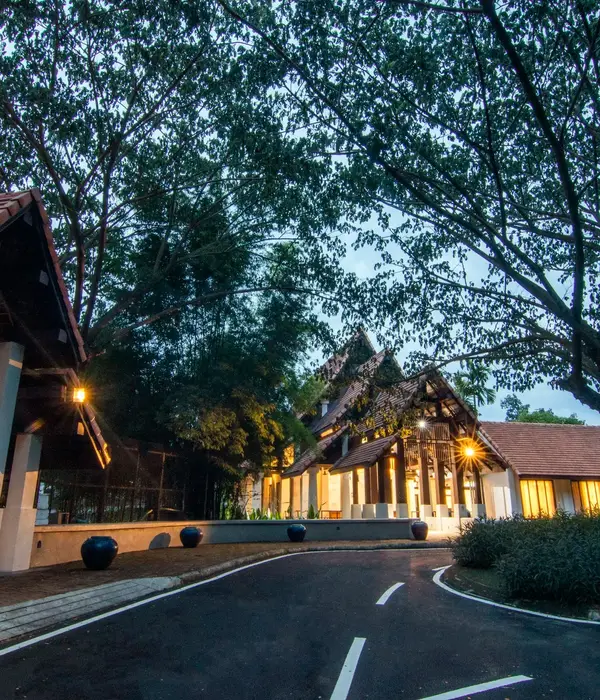
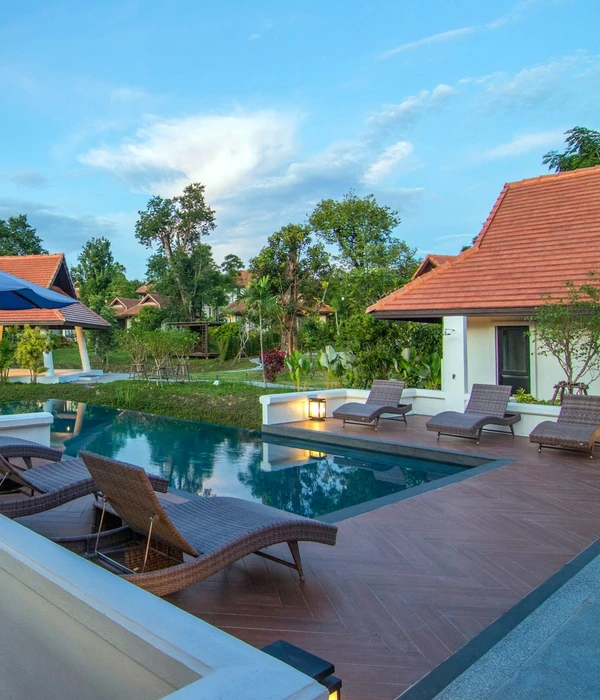
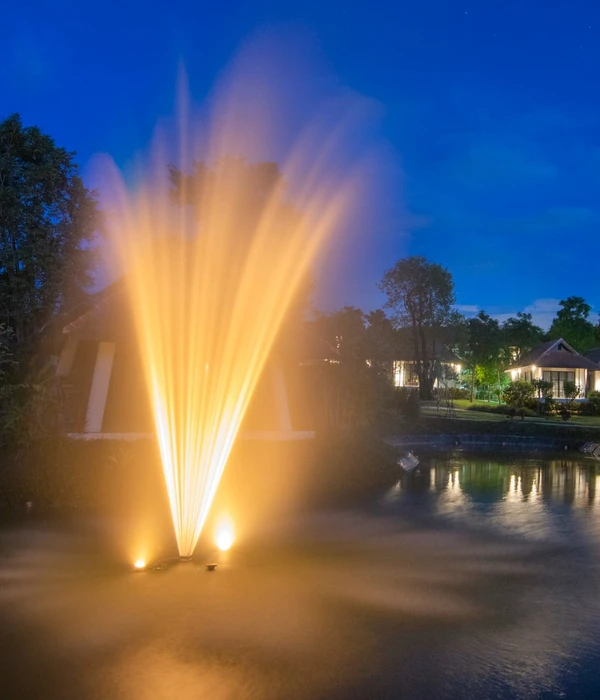
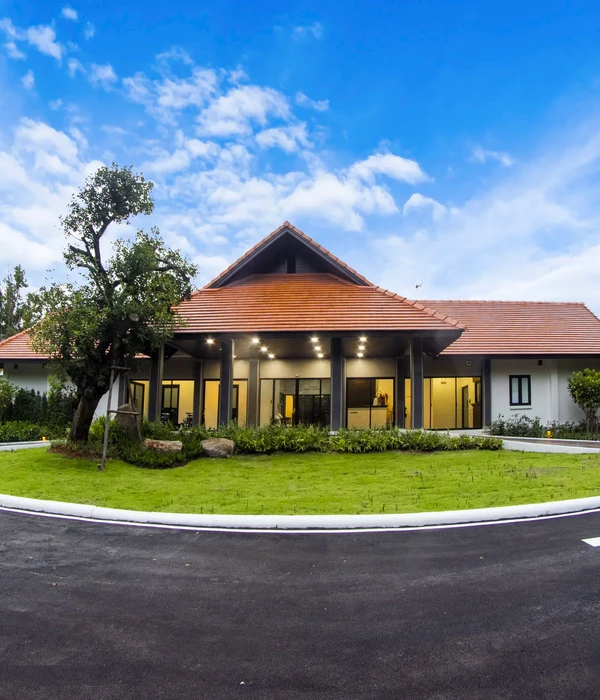
Our addiction treatment centre is located in the peaceful hills of Chiang Mai, providing a calm environment where people can focus fully on healing. Our facility sits on more than 14 acres of landscaped grounds in northern Thailand and includes private accommodation, fitness facilities, and dedicated therapy spaces designed to support recovery. 

As one of the leading rehab centres in Thailand, we combine evidence-based therapy with a holistic approach to addiction, helping clients stabilise physically, emotionally, and psychologically.

Our residential rehab programs provide a structured environment with round-the-clock clinical support. This level of care allows individuals to step away from the pressures and triggers that often contribute to ongoing drug abuse.

Levels of Treatment During Rehab in Thailand

At our rehab facility, we offer a fully residential model of care designed to provide safety, stability, and therapeutic depth.

Our MDMA addiction treatment in Thailand includes several levels of treatment depending on each person’s needs. This comprehensive treatment ensures that individuals receive support throughout every stage of addiction recovery.

Medical Detox and Stabilisation

The first stage of treatment for many people entering rehab is medical detox. While MDMA withdrawal is usually less physically severe than withdrawal from substances such as alcohol or opioids, it can still involve emotional and psychological symptoms that require professional support.

During detox, our medical team closely monitors each client’s physical and mental wellbeing. Individuals may experience fatigue, mood changes, anxiety, or sleep disturbances as the body adjusts after stopping MDMA.

Having clinical oversight during this stage allows symptoms to be managed safely while ensuring that clients feel supported throughout the process.

This stabilisation period also provides an opportunity for our clinical team to begin developing a personalised treatment plan that reflects each client’s history, goals, and overall health needs.

woman-with-headache-holding-her-head-with-headache-page
woman silhouette

Structured Inpatient Treatment

Following detox, clients transition into structured inpatient treatment within our residential rehab program. This phase of addiction treatment focuses on therapeutic work that addresses both substance addiction and the underlying patterns that contribute to MDMA use.

Inpatient treatment at our treatment centre in Thailand involves a structured daily routine that includes individual therapy sessions, group therapy, psychoeducation workshops, and relapse prevention work. These therapies help clients explore the root causes of addiction while developing practical coping strategies for maintaining long-term recovery.

Because clients remain onsite throughout the program, our clinical team is able to monitor progress closely and adjust the treatment approach as needed. 

Evidence-Based Therapy for MDMA Addiction

Deciding to start medical detox is feel like a big step, and that’s why full support is important.

Successful addiction treatment requires more than simply stopping drug use. Sustainable recovery usually begins when clients have the space and support to understand the deeper patterns that contribute to addiction.

At The Hills, we combine evidence-based treatment with compassionate care so that every person who enters our rehab feels supported throughout their recovery journey. Each modality plays a role in helping clients understand themselves more clearly and develop healthier ways of coping.

One of the core therapies used in our addiction treatment programs is cognitive behavioural therapy (CBT). This evidence-based approach is widely used in addiction recovery because it helps individuals recognise how thoughts, emotions, and behaviours influence one another.

At The Hills Rehab Chiang Mai, CBT helps clients examine patterns that may contribute to ongoing drug abuse. Through CBT sessions, our therapists gently guide clients in recognising these patterns and learning healthier ways to respond to stress, cravings, and emotional triggers.

Clients begin to develop practical tools that support emotional regulation and decision-making, which are essential for long-term recovery from addiction.

Dialectical behaviour therapy (DBT) is another modality that may be integrated into our addiction treatment programs when appropriate. This approach focuses on helping clients develop practical skills for managing intense emotions and maintaining stability during difficult situations.

Many people struggling with addiction describe feeling overwhelmed by emotional highs and lows. MDMA use can sometimes intensify this pattern by creating dramatic shifts in mood and energy levels.

As such, DBT helps individuals develop skills in emotional regulation, distress tolerance, and interpersonal communication. Within the supportive environment of our rehab centre, this therapy helps clients learn how to navigate challenging emotions without turning to substances for relief.

Eye Movement Desensitisation and Reprocessing (EMDR) is another specialised therapy that may be used in our programs, particularly for individuals who have experienced trauma or post-traumatic stress.

EMDR therapy helps the brain process difficult memories in a way that reduces their emotional intensity. Many people living with unresolved trauma feel as though past experiences continue to influence their present lives. EMDR can help create distance from these experiences while allowing the brain to integrate them in a healthier way.

At The Hills, EMDR therapy is provided by trained professionals who carefully assess whether this modality is appropriate for each client. When used as part of a comprehensive treatment plan, EMDR can support significant progress in emotional healing and mental health recovery.

Alongside individual therapy, group therapy plays a central role in addiction recovery at our rehab centre.

Many people entering treatment feel isolated or ashamed about their struggles with drug addiction. Group therapy helps break down this sense of isolation by creating a space where individuals can share experiences with others who understand what they are going through.

Within our residential rehab programs in Chiang Mai, group therapy sessions take place regularly throughout the week. These sessions allow clients to explore topics such as relapse prevention, emotional regulation, communication skills, and rebuilding relationships.

Meet the Team at The Hills

Our multidisciplinary team brings experience, empathy, and expertise to every treatment plan.

Dr. Awirut Oon-arom

Dr. Awirut Oon-arom

Clinical Psychiatrist

Dr. Tanrin Hiranwong

Dr. Tanrin Hiranwong

Clinical Psychiatrist

Dr. Chayanis Som-on

Dr. Chayanis Som-on

General Practitioner

Tom Huijbers

Tom Huijbers

Clinical Director

Holistic Treatment Approach and Wellness Support

While evidence-based therapy forms the core of our program, we also believe in supporting recovery through physical and emotional wellbeing.

Our holistic treatment model complements clinical therapy with activities that help clients reconnect with their health and personal goals.

Holistic therapies available at our luxury drug and alcohol rehab include:

  • Personal training and fitness sessions
  • Mindfulness and meditation
  • Art therapy
  • Trauma release exercises
  • Massage therapy
  • Nature-based wellness activities

These approaches support a holistic approach to addiction by addressing the emotional, physical, and psychological aspects of recovery.

yoga
woman-listening-psychologist-therapy-session-with-husband-page

Integrated Dual Diagnosis and Mental Health Treatment

Many individuals entering rehab are facing both addiction and mental health challenges.

Conditions such as anxiety, depression, trauma, and burnout frequently occur alongside substance addiction. When these concerns are not treated together, relapse becomes more likely.

At The Hills, our integrated treatment approach addresses both addiction and mental health simultaneously.

Our onsite psychiatrist provides assessment, medication management, and ongoing mental health treatment when clinically appropriate. This integrated model ensures that clients receive comprehensive addiction treatment that addresses both the symptoms of addiction and the root causes of addiction.

Program Duration at Our Addiction Treatment Centre in Thailand

Every person’s experience with addiction is different, and recovery rarely follows a fixed timeline. Because of this, our treatment program is carefully tailored to reflect each client’s individual needs, history, and recovery goals.

Most people who enter residential rehab at The Hills remain with us for between 28 and 90 days. This time allows clients to stabilise physically, begin meaningful therapeutic work, and gradually build the skills needed to support lasting change.

Throughout a client’s stay, our clinical team develops personalised treatment plans that continue to evolve as recovery progresses.

These plans are not static. Instead, they are reviewed regularly to ensure the support we provide remains aligned with each person’s emotional wellbeing, mental health needs, and therapeutic progress.

friends listening comforting each other group

Costs and Fees at Our Luxury Rehab Centre

Choosing the right treatment centre often involves practical considerations such as cost, insurance, and quality of treatment. At The Hills Rehab Thailand, we provide clear guidance regarding program costs and payment options.

Our centre is fully licensed by the Thai Ministry of Health and accredited by AACI America, reflecting our commitment to high clinical standards and safety. Many clients choose rehabs in Thailand because they provide world-class care while remaining more affordable than comparable treatment facilities in Australia or Europe.

Our admissions team is available to help you explore treatment options, discuss insurance coverage, and determine the most appropriate treatment program for your needs.

supporting-mental-health-therapy-counseling-sessions-page

Aftercare and Ongoing Addiction Recovery After Rehab in Thailand

Recovery from addiction does not end when residential treatment finishes. In many ways, returning to everyday life is where the next stage of healing begins.

At The Hills, we place strong emphasis on aftercare planning and long-term support so that clients continue to feel connected and supported after leaving our centre. Our team works closely with each individual to create a thoughtful aftercare plan that reflects their personal circumstances, recovery goals, and support needs.

Aftercare may involve ongoing individual therapy sessions conducted remotely. We also help coordinate referrals to healthcare providers and therapists in a client’s home country.

Throughout treatment, we also focus on building practical relapse prevention strategies so that clients feel prepared to navigate challenges once they return to daily life. Heginning aftercare planning early in the treatment program helps ensure that every person leaves our centre with a clear and supportive path forward.

Patient Reviews and Stories

Hear directly from those who have experienced treatment with us.

Why Choose The Hills Rehab Thailand

Choosing the right place to begin recovery is an important and deeply personal decision. At The Hills Rehab Chiang Mai, we believe that healing happens best in a place where people feel respected and supported at every stage of their recovery journey. 

Our approach combines clinical expertise with compassion, creating an environment where individuals can begin to rebuild their lives with confidence and hope.

One of the most important aspects of effective treatment is the people providing it. At The Hills, our multidisciplinary clinical team includes experienced therapists, medical professionals, and a full-time psychiatrist who work together to support each individual’s recovery.

We understand that reaching out for help can feel overwhelming. Many people arrive with feelings of fear, shame, or uncertainty about what lies ahead. Our team approaches every client with empathy and respect, recognising the courage it takes to seek support.

Throughout treatment, our clinicians remain closely involved in each person’s care, ensuring that therapy, medical support, and emotional guidance are always aligned with the client’s evolving needs.

Early recovery can be a vulnerable time. Physical withdrawal, emotional challenges, and uncertainty about the future can all feel overwhelming in the beginning.

For this reason, our centre provides round-the-clock medical and clinical support. A full-time psychiatrist and nursing team are available to monitor wellbeing, manage medications when necessary, and provide reassurance during difficult moments.

Knowing that professional support is available at any time can provide a powerful sense of safety and stability, allowing clients to focus fully on their recovery.

The environment in which treatment takes place can have a meaningful impact on recovery. Our centre was purpose-built to provide a peaceful, private space where individuals can step away from outside pressures and focus entirely on healing.

Set in the hills of Chiang Mai, our campus offers a calm and restorative setting surrounded by nature. Many clients find that simply being in a quieter environment helps reduce stress and allows them to reflect more clearly on their recovery journey.

Recovery is not only about addressing addiction. It is also about restoring balance, wellbeing, and a sense of personal stability.

Our centre offers comfortable accommodation and wellness facilities that support both physical and emotional healing. Many clients benefit from access to fitness spaces, outdoor areas, and activities that help rebuild energy and confidence.

These elements are part of creating an environment where individuals can reconnect with their health and begin developing positive daily routines.

Addiction is often closely connected to mental health challenges such as anxiety, depression, trauma, or burnout. At The Hills, we recognise how important it is to treat these concerns together rather than separately.

Our team works with each individual to understand the emotional experiences that may have contributed to their struggles. Through integrated care, clients receive support that addresses both addiction and mental wellbeing, helping to create a stronger foundation for long-term recovery.

Begin a New Chapter of Recovery with The Hills

Living with addiction can feel exhausting. Many people spend years trying to manage things on their own before reaching a point where they begin to consider professional support.

If you are thinking about treatment, you do not need to make a decision today. Taking the time to learn about your options can be the first step toward something different.

Our team at The Hills Rehab Chiang Mai is here to answer your questions and help you explore whether our program may be the right fit for you or someone you care about. Recovery is possible, and every journey begins somewhere.

facade

Frequently Asked Questions

There are several treatment options for MDMA addiction, including therapy, medical support, and structured recovery programs. At The Hills, our treatment program focuses on helping clients understand the underlying causes of drug addiction while developing healthier coping strategies.

Residential treatment provides a safe and structured environment where individuals live at the rehab centre while receiving therapy and clinical support. This setting allows people struggling with drug addiction to focus fully on recovery without the distractions or triggers of everyday life.

Many people choose rehab in Thailand because it offers privacy, a peaceful setting, and access to professional treatment programs. Being away from familiar environments can help individuals focus on recovery while receiving consistent support for drug addiction.

A treatment program usually begins with an assessment to understand a person’s needs. Clients then participate in therapy, group sessions, and recovery-focused activities that help them stop MDMA abuse and build long-term coping skills.

While the effects of MDMA may differ from other substances, the core principles of treating drug addiction remain similar. Therapy, structured support, and a comprehensive treatment program help individuals address the behaviours and emotional challenges linked to substance use.

Drug rehab may be helpful if drug use is affecting your health, relationships, or daily life. Speaking with a treatment centre can help you explore treatment options and determine whether residential treatment is the right next step.

Contact Us


    Scroll to Top