





LSD Addiction Treatment in Thailand: What to Expect During Rehab in Thailan

Home LSD Addiction Treatment...

LSD is often considered a “non-addictive” psychedelic. However, repeated use can still lead to psychological dependence, risky behaviours, and serious mental health complications. Professional treatment can help address the underlying reasons for substance abuse and support long-term recovery.

LSD addiction treatment in Thailand offers a structured and compassionate environment where individuals can step away from familiar triggers and focus fully on healing. With experienced clinicians and private residential settings, Thailand has become a trusted destination for those seeking recovery.

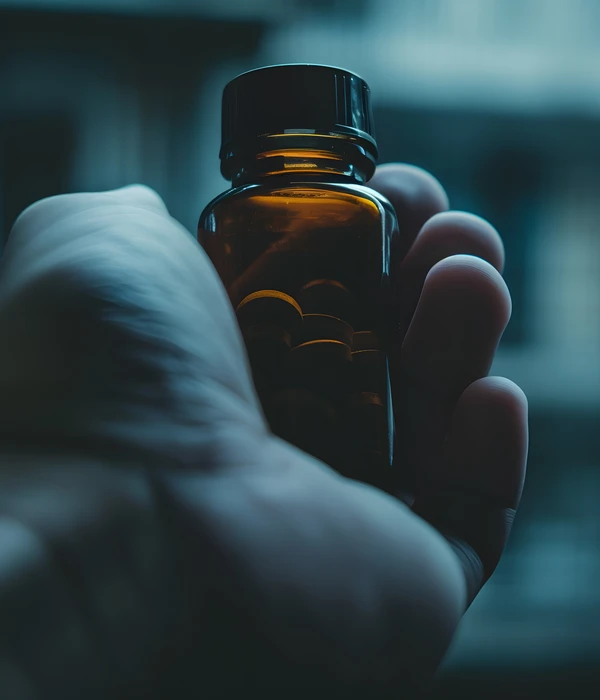
hand with medication
serene introvert by ocean sunset

What Is LSD and Is It Addictive?

LSD (lysergic acid diethylamide) is a powerful psychedelic drug that changes how the brain processes perception, mood, and emotions. People who use LSD may experience vivid hallucinations, altered senses, and intense shifts in thinking or feeling.

Although LSD is not usually associated with physical dependence, it can still lead to psychological addiction. Some people begin using it as a way to cope with stress, emotional pain, or underlying mental health conditions.

Over time, what may have started as experimentation can gradually turn into a pattern of substance abuse that becomes difficult to control.

For individuals struggling with LSD use, the challenge is often tied to deeper addiction and mental health issues. In some cases, LSD may also be used alongside other substances, contributing to broader drug and alcohol addiction.

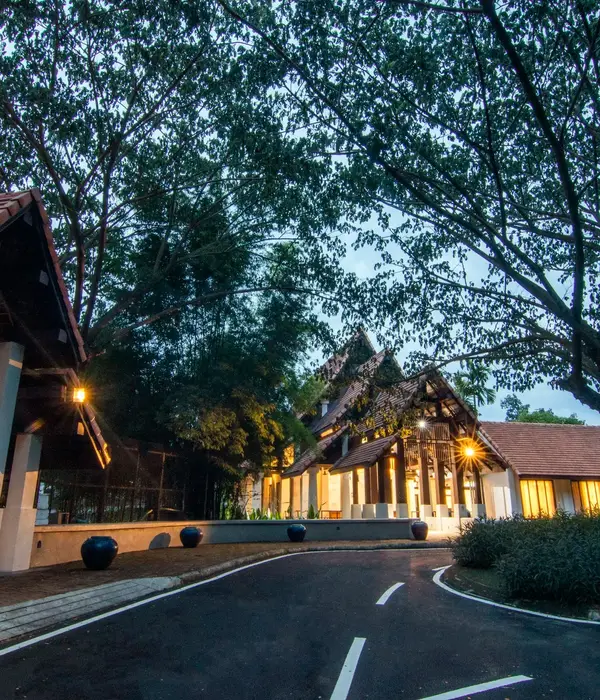
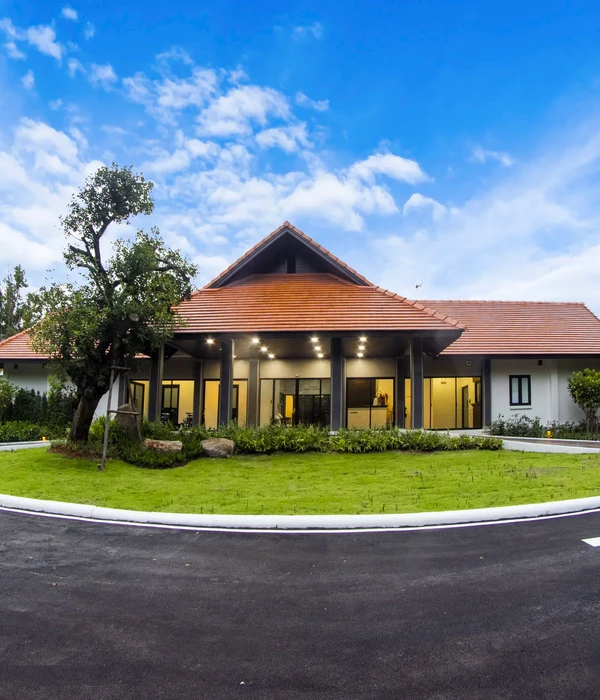
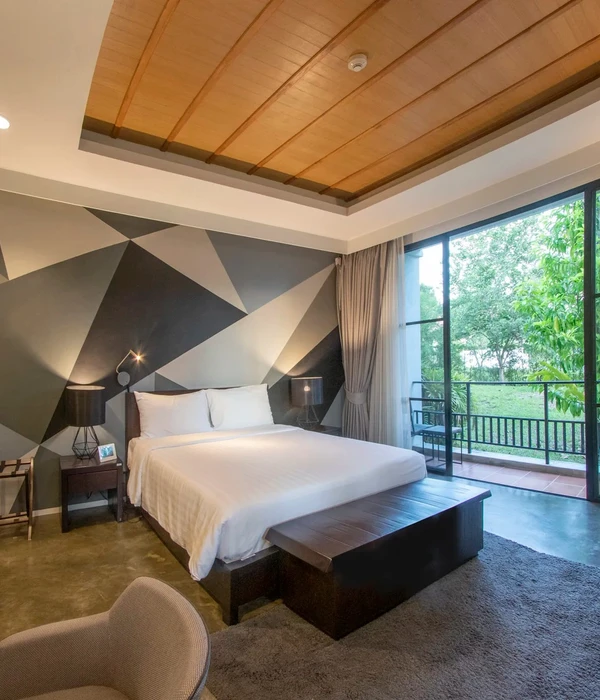
Inside Our Rehab Centre

Browse images of our treatment spaces, accommodations, and therapeutic environments.

Signs That LSD Use May Require Professional Help

Many people who enter rehab are unsure whether their substance use is “serious enough” to justify treatment. Addiction does not always appear dramatic. Often, it develops gradually and quietly.

Some warning signs that LSD or hallucinogen use may be affecting your wellbeing include:

spiral shape

Increasing frequency of LSD use or repeated psychedelic experiences

hand shape

Difficulty controlling or limiting use

flash shape

Emotional distress, anxiety, or paranoia following drug use

eyes

Flashbacks or hallucinogen persisting perception disorder (HPPD)

emotional shape face

Changes in mood, motivation, or behaviour

family shape

Withdrawal from family, work, or meaningful activities

drink shape

Mixing LSD with alcohol or other drugs

brain warning

Using substances to cope with underlying mental health issues

When these patterns appear, they may signal a broader concern or an underlying mental health issue that deserves professional support. At The Hills Rehab Chiang Mai, our addiction treatment centre focuses on understanding the root causes of addiction, not just the surface behaviour.

Why People Travel for LSD Addiction Treatment in Thailand

For many foreigners, entering rehab in Thailand offers something that can be difficult to find at home: distance from familiar environments that may reinforce substance abuse. Across Asia, and particularly in Thailand, addiction treatment centres have become recognised for providing high-quality clinical care in peaceful environments designed for recovery.

Here at The Hills Rehab Chiang Mai, we welcome many international clients who travel specifically for rehab in Thailand because it allows them to focus fully on healing, away from the pressures and distractions of home.

One of the most common reasons people consider Thailand rehab centres options is access to timely treatment. In many Western countries, long waiting lists or insurance processes can delay admission to treatment centres for weeks or even months.

For someone experiencing escalating substance abuse, these delays can make recovery feel out of reach.

Many rehab centres in Thailand are able to admit clients much more quickly. At The Hills, our admissions team works closely with individuals and families to organise assessments and travel arrangements as efficiently as possible.

Being able to begin addiction treatment without long waiting periods allows clients to take action at the moment they feel ready for change.

Privacy and safety are essential when beginning recovery from drug and alcohol addiction. Residential programs in Thailand often provide more private environments compared with many urban treatment facilities.

At our rehab in Chiang Mai, clients stay in comfortable accommodation within a secure campus. This residential treatment setting allows individuals to focus on their therapy, personal reflection, and wellbeing without the pressures of outside distractions.

Living onsite within a structured rehab facility also ensures continuous access to clinical support, including psychiatric care, group therapy, and wellness activities. For many people, this immersive environment makes it easier to stabilise and begin addressing the deeper aspects of addiction.

Another reason people travel for addiction treatment Thailand programs is the quality of care available at established treatment centres.

The Hills Rehab Chiang Mai is fully licensed by the Thai Ministry of Public Health and accredited by AACI America, ensuring international standards of safety and governance. Our multidisciplinary clinical team includes psychiatrists, therapists, nurses, and addiction specialists who work together to provide comprehensive treatment.

Clients receiving drug addiction treatment here benefit from a structured treatment approach that combines evidence-based therapies with psychiatric care and relapse prevention planning.

Cost is often an important factor when considering treatment options. Many people discover that rehabs in Thailand offer comparable or even higher-quality services than some Western programs at a more accessible price point.

Because of lower operating costs in Thailand, treatment centres are often able to provide private accommodation, medical care, and therapy within comprehensive programs that remain more affordable than many facilities in Australia and other Western countries.

The environment in which treatment takes place can significantly influence the recovery process. Thailand’s natural landscapes, cultural traditions, and slower pace of life create a setting that many people find calming and restorative.

Our luxury rehab in northern Thailand is located in Chiang Mai, surrounded by gardens and natural scenery designed to support healing and reflection. Clients have access to holistic treatment and other wellness activities such as mindfulness, fitness training, art therapy, and guided outdoor experiences.

Meet the Team at The Hills

Our multidisciplinary team brings experience, empathy, and expertise to every treatment plan.

Dr. Awirut Oon-arom

Dr. Awirut Oon-arom

Clinical Psychiatrist

Dr. Tanrin Hiranwong

Dr. Tanrin Hiranwong

Clinical Psychiatrist

Dr. Chayanis Som-on

Dr. Chayanis Som-on

General Practitioner

Tom Huijbers

Tom Huijbers

Clinical Director

Residential Rehab for LSD and Hallucinogen Addiction

Residential rehab can provide the safest and most supportive setting for recovery. LSD and other hallucinogens can affect perception and psychological stability. Stepping away from daily triggers often makes it easier to begin healing.

Here at The Hills Rehab Chiang Mai, our residential treatment program allows clients to live onsite while receiving structured care from a multidisciplinary clinical team. This environment offers continuous support and access to the proper medical and psychiatric

The first step in treatment may involve a short period of medical assessment or detox, particularly if LSD use occurs alongside other substances. While LSD itself does not typically cause severe physical withdrawal, a medical detox can still play an important role in stabilising overall wellbeing before beginning therapy.

Yoga class at the hills rehab

Evidence-Based Therapies Used at Our Thailand Rehab Centre

Here at The Hills Rehab Chiang Mai, therapy forms the foundation of our addiction treatment centre. While every person’s experience with addiction is different, structured psychological support helps clients better understand their behaviour and move toward lasting recovery.

Our clinicians use a range of internationally recognised, evidence-based therapies as part of each personalised treatment plan. These approaches help address the root causes of your addiction for long-term recovery.

Cognitive Behavioural Therapy (CBT) is one of the most widely used approaches in addiction treatment. This therapy focuses on identifying the patterns of thought and behaviour that can lead to substance abuse.

During CBT sessions, clients learn how certain beliefs, emotions, or stressful situations may trigger the urge to use drugs or alcohol. With guidance from a therapist, they begin to recognise these patterns and practise healthier ways of responding.

Over time, CBT helps individuals develop practical coping strategies, improve decision-making, and build confidence in their ability to manage challenges without relying on substances.

Dialectical Behaviour Therapy (DBT) is particularly helpful for those who experience intense emotions, impulsive behaviour, or difficulty managing stress. Many people struggling with addiction also face emotional instability or overwhelming feelings that make recovery more difficult.

DBT focuses on building four key skills: emotional regulation, distress tolerance, mindfulness, and healthy communication. Through structured sessions, clients learn how to stay present during difficult moments, regulate strong emotions, and navigate relationships more effectively.

These skills can be especially valuable when learning how to respond to cravings or stressful situations during recovery.

For many individuals, addiction is closely linked to past trauma or unresolved emotional experiences. Trauma-focused therapy creates a safe and supportive space where clients can begin to process these experiences without feeling overwhelmed.

Our therapists use trauma-informed approaches that prioritise safety, trust, and gradual emotional exploration. In some cases, specialised methods such as EMDR therapy may be used to help individuals process traumatic memories in a structured and therapeutic way.

When treating addiction, addressing trauma can be an important step toward understanding the deeper causes of substance abuse and reducing the risk of relapse.

Motivational Interviewing is a collaborative counselling approach designed to strengthen a person’s internal motivation for change. Rather than telling someone what they should do, therapists help clients explore their own reasons for seeking recovery.

Through open conversation and guided reflection, individuals examine how substance abuse affects different areas of their life, including relationships, health, and personal goals.

This process often helps people reconnect with their values and build a stronger commitment to recovery, especially during the early stages of treatment.

Group therapy is an important part of our addiction treatment program. Many people entering rehab feel isolated in their struggles, and group sessions provide an opportunity to connect with others who are going through similar challenges.

During these sessions, clients share experiences, discuss coping strategies, and support one another’s progress. Guided by experienced therapists, group therapy encourages honesty, accountability, and empathy.

It also helps individuals practise communication skills and build a sense of community, which can be incredibly valuable throughout the recovery journey.

woman-listening-psychologist-therapy-session-with-husband-page

Dual Diagnosis Care for LSD Addiction and Mental Health

Many people seeking help for LSD or other harmful substances are also experiencing other mental health challenges.

Anxiety, depression, trauma, or emotional burnout can often exist alongside addiction, and these issues frequently influence one another. When both addiction and mental health concerns are present, treating only one side of the problem can make recovery more difficult.

Here at The Hills Rehab Chiang Mai, we provide integrated dual diagnosis care, meaning we provide addiction and mental health treatment at the same time. During admission, our clinical team conducts a comprehensive assessment to understand your substance use history and any co-occurring mental health disorders that may be affecting your recovery.

With support from our clinical, clients receive coordinated care that combines therapy, psychiatric guidance, and personalised support. 

Costs of Drug and Alcohol Rehab in Thailand

Seeking treatment for addiction is an important decision, and it is natural to have questions about the financial side of rehab. For many people considering LSD addiction treatment in Thailand, understanding the costs involved helps reduce uncertainty and allows families to plan with greater confidence.

Here at The Hills Rehab Chiang Mai, we believe transparency is essential. Our admissions team provides clear information about pricing and what’s included in the program.

Program Costs and What They Include

At our rehab in Chiang Mai, program fees typically cover the core elements of treatment so clients can focus fully on recovery. This includes comfortable accommodation within our residential campus, daily meals prepared by our onsite chef, and access to all scheduled therapy sessions.

Clients also receive continuous clinical oversight from our multidisciplinary team. This includes psychiatric care, therapies, and wellness activities designed to support both physical health and emotional wellbeing. Access to the centre’s facilities, including fitness spaces and recreational areas, is also part of the overall program.

Because recovery involves many aspects of care, these services are integrated into a comprehensive treatment experience rather than charged separately. This helps create a stable environment where clients can focus on healing without worrying about additional costs.

friends listening comforting each other group

Factors That May Influence the Cost of Rehab

While the core program includes most services, the total cost of treatment can vary depending on individual needs. One of the main factors is the duration of treatment. Residential programs at The Hills typically range from around 28 days to 90 days, depending on clinical recommendations and personal recovery goals.

Some clients benefit from longer stays that allow more time to address the root causes of addiction and develop stronger relapse prevention strategies.

Accommodation preferences may also influence pricing. Our centre offers comfortable private rooms and upgraded options designed for additional privacy and space.

In certain cases, additional medical or psychological support may be recommended during treatment. This could include specialised assessments, extended psychiatric care, or additional therapeutic services tailored to an individual’s needs.

yoga

Travel and Personal Expenses

While most aspects of treatment are included within the program fee, there are a few practical expenses clients should plan for when travelling to rehab in Thailand.

Travel to and from Thailand is usually arranged separately. Many clients also set aside a small personal allowance for incidental purchases during their stay, such as personal items, snacks, or optional excursions.

Our admissions team helps coordinate airport transfers and provides guidance about what to pack and how to prepare for the journey. By planning these details in advance, clients can arrive feeling more comfortable and ready to focus on treatment.

Insurance and Payment Options

Navigating insurance coverage for international rehab can sometimes feel confusing. While Australian Medicare typically does not cover overseas treatment, some international health insurance policies may provide partial reimbursement depending on the provider.

Our team can assist with documentation and invoices required for insurance claims where applicable. Many clients also choose to self-fund treatment, particularly when comparing the overall cost of rehab in Thailand with similar programs in Western countries.

During the admissions process, we take time to discuss payment options and answer any financial questions you may have. Our goal is to make the process as clear and straightforward as possible so you can focus on what truly matters: beginning your recovery journey.

Patient Reviews and Stories

Hear directly from those who have experienced treatment with us.

Ongoing Recovery Support After Drug Addiction Treatment

Completing residential rehab is an important milestone, but recovery continues long after leaving treatment.

Our aftercare program helps clients transition safely back into daily life.

  • Aftercare services may include:
  • Remote therapy sessions via Zoom
  • Relapse prevention planning
  • Referrals to healthcare providers in Australia
  • Ongoing communication with our clinical team

Support groups such as AA or NA are also available in Chiang Mai for individuals who remain in Thailand temporarily after treatment. 

Maintaining connection and structure after rehab plays a key role in long-term addiction recovery.

two-people-enjoy-nature-s-beauty-together-outdoors-page
supporting-mental-health-therapy-counseling-sessions-page

Begin Healing at Our Addiction Treatment Centre in Thailand

If LSD use has begun to affect your emotional wellbeing or relationships, it may be time to explore a different path.

Here at The Hills Rehab Chiang Mai, we offer a calm and supportive environment where you can step away from everyday pressures and focus on understanding the deeper patterns behind addiction.

Our team combines clinical expertise with compassionate care, helping you work through the challenges of recovery at a pace that feels manageable.

If you are exploring rehab in Thailand, you do not need to make a decision immediately. Sometimes the first step is simply asking questions. Our team is here to provide clear information about treatment and help you consider whether our program in Chiang Mai could support your next chapter.

Frequently Asked Questions

Drug rehab may be helpful when LSD use begins to interfere with wellbeing, relationships, or mental health. A structured rehab setting provides professional support, therapy, and a safe environment to step away from triggers. This space allows individuals to better understand their substance abuse patterns and begin working toward recovery.

A luxury rehab typically offers a more private and comfortable treatment environment while still delivering high-quality clinical care. At The Hills Rehab Chiang Mai, our luxury rehab combines evidence-based therapy with a peaceful setting in northern Thailand, allowing clients to focus fully on recovery in a supportive and discreet environment.

Yes, LSD misuse can sometimes occur alongside mental health disorders such as anxiety, depression, or trauma. In some cases, individuals turn to psychedelics to cope with emotional distress, which can worsen underlying mental health conditions over time. Treating both addiction and mental health together is often essential for lasting recovery.

Addiction recovery is an ongoing process that continues after residential treatment ends. Many clients stay in rehab between 28 and 90 days, depending on their needs. During this time, therapy and relapse prevention strategies help build the foundation for long-term recovery.

Yes, many treatment centres support both alcohol addiction treatment and drug-related substance use concerns. Because different addictions often share similar underlying emotional or behavioural patterns, treatment programs are designed to address the broader aspects of addiction rather than focusing on a single substance.

Yes. Staying connected with supportive family members can be an important part of recovery. At The Hills Rehab Chiang Mai, clients are able to communicate with loved ones and, when appropriate, family members may also be involved in aspects of the treatment process.

Contact Us


    Scroll to Top