

What is Anxiety?
Anxiety is a natural response to stress or perceived danger. Everyone experiences it from time to time—whether it’s feeling nervous before a big presentation, worrying about an exam, or facing a challenging situation. However, when anxiety becomes overwhelming, constant, or disproportionate to the actual threat, it can turn into chronic anxiety or a severe anxiety disorder.
Anxiety disorders are the most common mental health condition, affecting millions of people worldwide. These disorders can interfere with daily life, making it difficult to work, maintain relationships, and even take care of yourself. While intense anxiety can feel overwhelming, effective treatments are available to help you manage it.
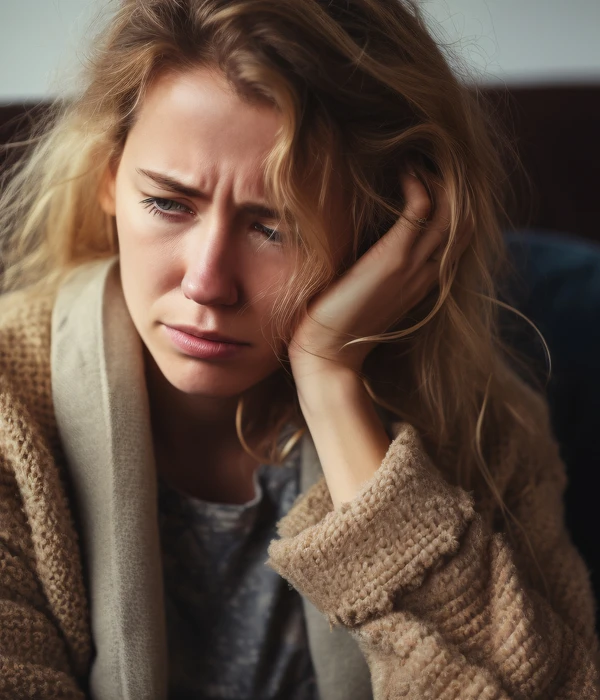
Types of Anxiety Disorders
There are several types of anxiety disorders, each with its own unique symptoms and triggers:

Generalized Anxiety Disorder (GAD): Excessive, uncontrollable worry about everyday issues like work, health, or finances. GAD can result in chronic anxiety, where people anticipate the worst and struggle to control their anxious thoughts.

Social Anxiety Disorder (SAD): Intense fear of being judged or embarrassed in social situations. People with SAD may avoid social interactions, fearing they will be criticized.

Panic Disorder: Characterized by sudden and intense episodes of fear, known as panic attacks. These attacks often come without warning, accompanied by physical symptoms like chest pain, shortness of breath, and dizziness. Panic disorder symptoms can resemble those of a heart attack, making it extremely distressing.

Phobias: Irrational fears of specific objects or situations, such as heights, flying, or animals, leading to avoidance behaviors that interfere with daily life.

Obsessive-Compulsive Disorder (OCD): Involves recurring unwanted thoughts and repetitive behaviors that temporarily relieve anxiety but disrupt daily routines.

Post-Traumatic Stress Disorder (PTSD): PTSD develops after witnessing or experiencing trauma, often leading to intense anxiety and flashbacks.

Symptoms of Anxiety
Anxiety manifests in emotional and physical ways. Some common symptoms include:
- Physical Symptoms: Including rapid heartbeat, dizziness, nausea, and trembling, which are common in severe anxiety disorder.
- Excessive Worrying: Feeling anxious about a wide range of things, even when worries seem irrational, leading to chronic anxiety.
- Panic Attacks: Experiencing sudden, intense episodes of anxiety, known as panic disorder symptoms, often including a racing heart and shortness of breath.
Causes of Anxiety
Like depression, anxiety can be caused by a variety of factors. Some common causes include:
- Health Conditions: Medical issues such as chronic pain, heart disease, or thyroid problems can worsen severe anxiety disorder. In some cases, medications or substance use can also trigger anxiety.
- Genetics: Anxiety tends to run in families, suggesting that genetic factors play a role in its development.
Learn more about the genetic factors of anxiety disorders here. - Brain Chemistry: Imbalances in neurotransmitters such as serotonin, dopamine, and norepinephrine contribute to anxiety. These chemicals help regulate mood, and when they’re out of balance, it can lead to chronic anxiety symptoms.
- Environmental Stressors: Life events like the loss of a loved one, job loss, or trauma can trigger intense anxiety. Chronic stress from high-pressure jobs or financial troubles often leads to the development of anxiety disorders.

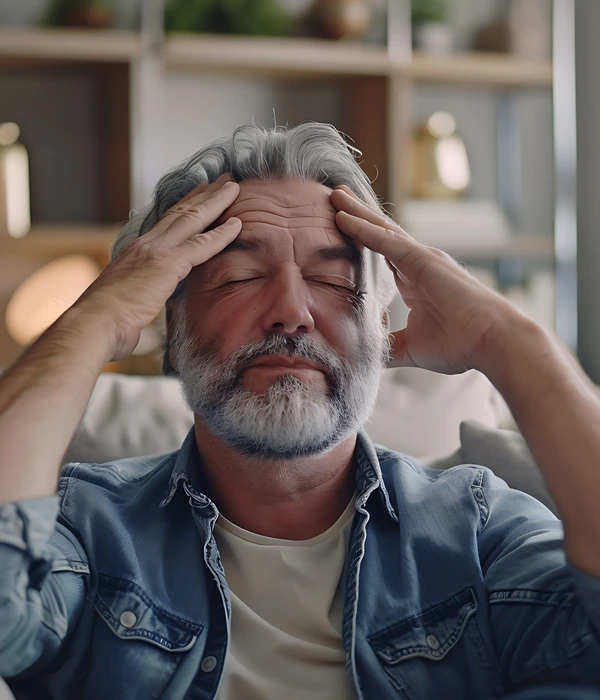
How Anxiety Affects Daily Life
Anxiety can significantly impact your day-to-day life. For people with panic disorder, fear of experiencing another panic attack might cause them to avoid certain places or situations. This avoidance can lead to social isolation and limit professional or personal growth.
Individuals dealing with chronic anxiety may struggle to maintain relationships or perform at work due to constant worrying and physical symptoms. The exhaustion that comes from severe anxiety disorder can make it difficult to enjoy life or even participate in daily routines, leaving people feeling disconnected from their surroundings.
Common Treatments for Anxiety
Anxiety disorders are highly treatable, with several effective treatment options. A combination of therapy, medication, and lifestyle changes can help manage chronic anxiety and other anxiety disorders.
Therapy
Anxiety disorders are highly treatable, with several effective treatment options. A combination of therapy, medication, and lifestyle changes can help manage chronic anxiety and other anxiety disorders.
- Medication: Panic disorder symptoms and other forms of chronic anxiety can be treated with medications such as SSRIs, SNRIs, and benzodiazepines. These help manage the chemical imbalances that contribute to severe anxiety disorder.
- Therapy: Cognitive Behavioral Therapy (CBT) is the most widely recommended therapy for severe anxiety disorders. It helps individuals challenge negative thoughts that cause intense anxiety, teaching them to replace these with healthier thought patterns.
- Exposure Therapy: This therapy is commonly used for panic disorder and phobias. By gradually confronting feared situations, individuals can reduce their anxiety symptoms over time.


Medication
Several medications are commonly prescribed to help manage anxiety. These medications are often used in combination with therapy:
- Selective Serotonin Reuptake Inhibitors (SSRIs): SSRIs, such as Prozac, Zoloft, and Lexapro, are the first line of treatment for anxiety. They work by increasing the level of serotonin in the brain, which helps regulate mood.
- Serotonin-Norepinephrine Reuptake Inhibitors (SNRIs): SNRIs, like Effexor and Cymbalta, increase both serotonin and norepinephrine levels. They are often prescribed when SSRIs are not effective.
- Benzodiazepines: Medications like Xanax and Ativan are fast-acting drugs used to reduce acute anxiety symptoms. However, they are generally prescribed for short-term use due to their potential for dependency.
- Beta-Blockers: Beta-blockers, such as propranolol, are sometimes used to manage physical symptoms of anxiety, such as rapid heartbeat and trembling. They are particularly useful for performance anxiety.
Lifestyle Changes
Making adjustments to your daily routine can also help reduce intense anxiety:
- Exercise: Regular physical activity releases endorphins, natural stress relievers that can reduce the impact of chronic anxiety
- Healthy Diet: A balanced diet can improve mental health. Avoiding caffeine and alcohol is crucial, as these can worsen panic disorder symptoms or exacerbate chronic anxiety.
- Mindfulness and Relaxation Techniques: Practices such as mindfulness meditation and deep breathing exercises can help calm the mind, easing the symptoms of severe anxiety disorder.


When to Seek Help
If anxiety is affecting your life, it’s essential to reach out to a mental health professional. At The Hills, our supportive team is here to help you manage anxiety and improve your quality of life.

Free Consultation
Are you in need of assistance on your journey to recovery? Contact us. We are here to help. At our reputable rehab center, we offer a complimentary consultation to provide guidance and support tailored to your specific needs.