






Alcohol Detox

Home Services Alcohol Detox

If you’re searching for alcohol detox in Thailand, there’s a good chance something feels urgent. Maybe you’re exhausted from alcohol issues that won’t improve. Or perhaps you’ve tried to stop drinking before and withdrawal felt frightening.

At The Hills, we understand how heavy this moment can feel. Our rehab centre in Thailand provides medically supervised detox under 24/7 care, followed by residential rehab designed to support long-term addiction recovery.

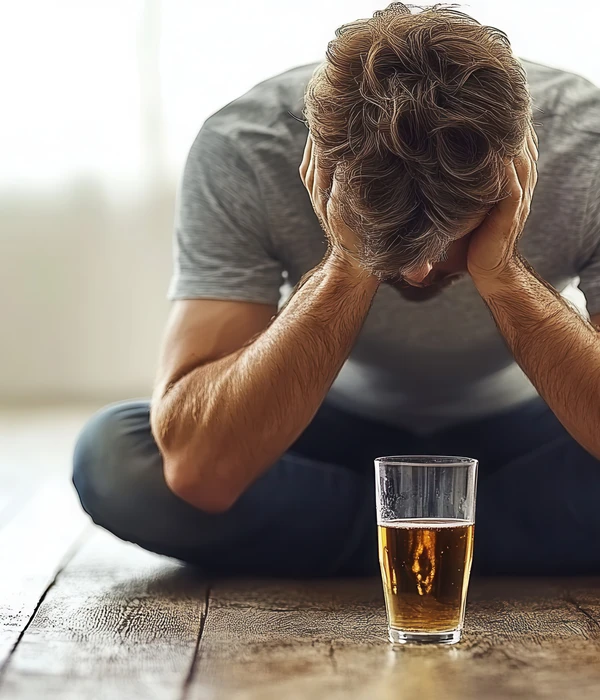
dont drink alcohol
stop drink

What Is Alcohol Detox?

Alcohol detox is the medical process of clearing alcohol from the body while safely managing withdrawal symptoms.

For people with moderate to severe alcohol dependence, stopping suddenly without supervision can be dangerous. This is why medically managed alcohol withdrawal must involve structured assessment, medication management, and round-the-clock care.

At The Hills, stabilisation begins with a comprehensive medical and psychiatric evaluation. We assess your drinking history, physical health, mental health, previous withdrawal experiences, and any co-occurring drug and alcohol concerns. This allows us to determine the safest level of care and whether inpatient treatment is clinically appropriate.

For many clients in the UK, choosing treatment in Thailand offers faster access to residential care without NHS waiting lists, while maintaining international clinical standards.

What to Expect During Alcohol Detox in Thailand

At the Hills, our alcohol detox in Thailand is medically supervised by our onsite psychiatrist with 24-hour nursing support. Here’s what to expect during this first step of your recovery journey:

Withdrawal Symptoms and When Medicines Are Used

Alcohol withdrawal symptoms can range from anxiety, tremors, sweating, and insomnia to more serious complications such as seizures or delirium tremens. These risks are why attempting to stop drinking at home can be unsafe, particularly for those with long-standing alcohol addiction or previous complications.

At The Hills, we use symptom-triggered protocols guided by CIWA-Ar scoring. Medications such as long-acting benzodiazepines may be used to reduce seizure risk and stabilise the nervous system. These decisions are made carefully by our full-time psychiatrist and adjusted based on your response.

We also administer thiamine to prevent Wernicke’s encephalopathy, a serious neurological complication linked to alcohol misuse. Hydration, nutrition, and sleep support are part of our holistic treatment model, helping your body begin repairing itself safely.

glass-whiskey-with-ice-wooden-table-with-person-page
businessman-refusing-alcoholic-beverage-business-meeting-page

Initial Screening and Risk Assessment

Before admission to our rehab in Thailand, we conduct a detailed pre-admission assessment. This includes reviewing your medical history, previous withdrawal attempts, psychiatric conditions, liver health, blood pressure, and any history of seizures or delirium tremens.

We also assess travel fitness. If you’re currently experiencing severe withdrawal, unstable cardiac conditions, or high-risk medical complications, we may recommend stabilisation in a local hospital before travelling. Your safety always comes first.

Our assessment also explores co-occurring drug addiction or mental health concerns, as many individuals facing alcohol addiction also experience anxiety, depression, or trauma. 

How Long Does Alcohol Detox Typically Last?

For most clients, medically supervised detox lasts between 5 and 10 days. However, the timeline varies depending on drinking history, overall health, and previous withdrawal experiences.

Symptoms usually begin within hours of the last drink and peak during the first 72 hours. This period requires the most intensive monitoring. After stabilisation, medication is gradually tapered, and physical symptoms begin to settle.

Where there is severe alcohol dependence or dual diagnosis needs, early medical care transitions directly into residential rehab to strengthen recovery foundations.

No drink

Gallery

Take a look inside our facility and explore the spaces where healing and recovery happen.

How We Keep You Safe During Alcohol Withdrawal

At The Hills Rehab, we follow internationally recognised protocols while maintaining close, around-the-clock clinical supervision.

Our onsite medical team includes a full-time psychiatrist, experienced nursing staff available 24/7, and access to hospital services if needed.

During detox, your symptoms are monitored using the CIWA-Ar scale (Clinical Institute Withdrawal Assessment for Alcohol – Revised), a widely recognised tool used in safe alcohol rehab in Thailand and globally. This structured scoring system allows us to measure withdrawal severity and guide medication safely and precisely.

Our nursing team conducts regular checks day and night, assessing vital signs, neurological symptoms, hydration, sleep patterns, and psychological state. This continuous monitoring is especially important during the first 72 hours, when the risks of seizures or delirium tremens are highest. 

Should complications arise, our rapid response protocols are activated immediately. At The Hills, intervention is never delayed. For those seeking alcohol rehab, this level of constant supervision provides reassurance during what can otherwise feel like a frightening stage.


Medication is carefully individualised and overseen directly by our psychiatrist. For alcohol withdrawal treatment, benzodiazepines are commonly used to reduce seizure risk and stabilise the nervous system. 

Where clinically appropriate, we may also prescribe anti-psychotics to manage severe agitation or hallucinations, ADHD medication if previously indicated, and methadone for individuals experiencing co-occurring drug and alcohol dependence. 

Thiamine supplementation is provided to protect against neurological complications such as Wernicke’s encephalopathy, a serious risk associated with long-term alcohol misuse. 

Although most cases are managed safely onsite within our residential rehab environment, we prepare for every scenario. Our rehab centre maintains direct links to leading hospitals in Chiang Mai, ensuring rapid access to higher levels of care if required.

In the rare event of severe complications, immediate hospital transfer is arranged. A member of our clinical team accompanies you to ensure continuity of care and clear communication with hospital staff. This structured escalation pathway is an essential part of responsible addiction treatment and clinical governance.

Addiction recovery begins with safety. Knowing that medical infrastructure, psychiatric leadership, and hospital partnerships are in place allows you to focus not on fear, but on healing.

Eligibility for Alcohol Detox in Thailand

Travelling internationally for treatment is a significant decision, and it’s not appropriate for everyone at every stage. At the Hills, admission is carefully assessed to ensure care abroad is safe and appropriate.

male-doctor-who-takes-notes-tablet-writes-prescription-page

Clinical Criteria for Inpatient Alcohol Detox

Inpatient alcohol detox is typically recommended when there is a higher risk of complications. This may include heavy daily alcohol use, previous failed attempts, a history of withdrawal seizures or delirium tremens, significant anxiety or depression, unstable blood pressure, liver impairment, or limited support at home.

During assessment, we evaluate the severity of withdrawal risk using established clinical indicators, including past CIWA-Ar patterns where available, and a detailed review of previous withdrawal experiences. 

We also assess psychological readiness. Detox can be physically stabilising, but emotional engagement is equally important for recovery. Our aim is not simply to determine whether someone “qualifies,” but whether this level of inpatient care offers the safest and most supportive environment.

Fit-to-Fly Checks, Visa Preparation, and Medical Documentation

International travel during early withdrawal or medical instability can carry risk. Before confirming admission, we assess whether you are fit to fly. This may involve reviewing recent blood work, cardiac history, liver function, blood pressure stability, and current withdrawal symptoms.

In some cases, a fit-to-fly certificate from a GP or consultant is required, particularly if there are known cardiovascular, respiratory, or neurological concerns. 

We also support you in preparing practical documentation, including visa requirements, prescription letters for medications, and travel insurance considerations. Some medications, particularly controlled drugs, require specific documentation when entering Thailand, and we provide guidance to avoid complications.

encouraging-support-group-therapy-session-ai-generated-page
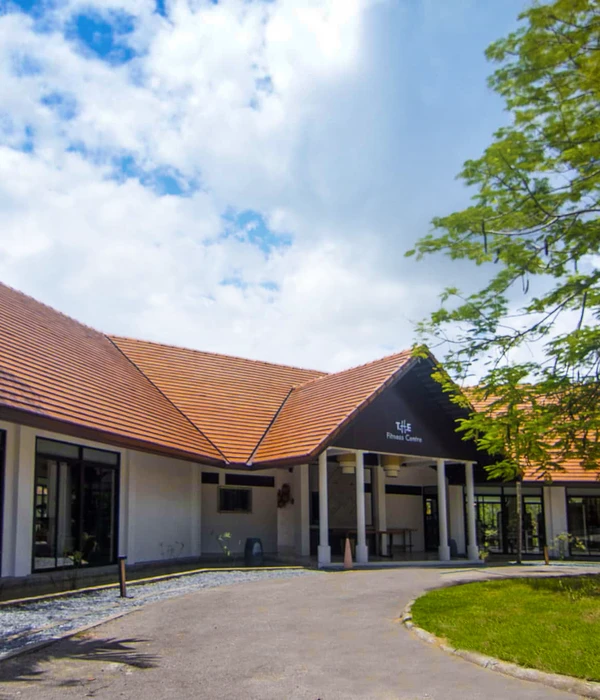
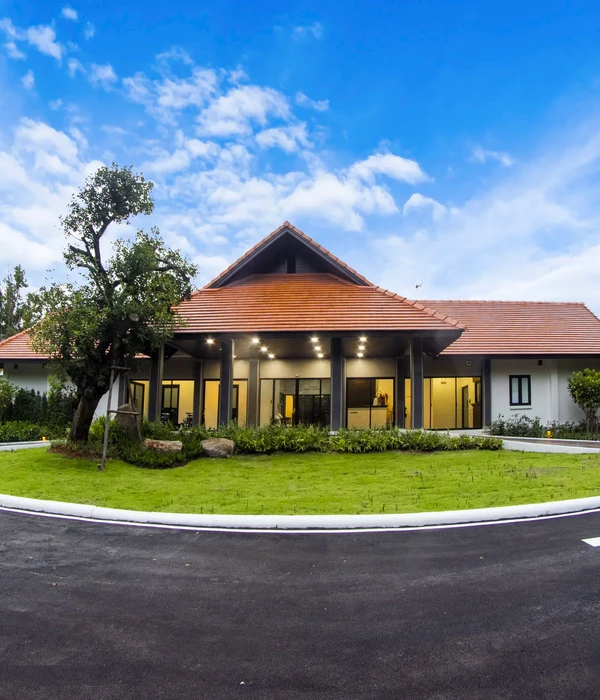
The hills rehab Thailand entrance

When Overseas Treatment May Not Be Appropriate

There are circumstances where travelling for detox is not clinically advisable. Active delirium tremens, recent uncontrolled seizures, severe electrolyte imbalance, advanced liver failure, late-stage pregnancy, unstable cardiac disease, or acute psychosis may require local hospital-based care before considering overseas treatment.

We are transparent about these red flags because responsible addiction care means recognising limits. Beginning detox in the wrong setting can increase risk. If hospital-level monitoring or intensive care access is likely to be required immediately, starting locally is often safer.

Meet the Team

Get to know the highly qualified medical professionals who lead our treatment programs and ensure safe, compassionate, evidence-based care.

Dr. Awirut Oon-arom

Dr. Awirut Oon-arom

Clinical Psychiatrist

Dr. Tanrin Hiranwong

Dr. Tanrin Hiranwong

Clinical Psychiatrist

Dr. Chayanis Som-on

Dr. Chayanis Som-on

General Practitioner

Tom Huijbers

Tom Huijbers

Clinical Director

Choosing the Right Setting for Addiction Treatment

The setting in which treatment takes place directly affects safety, stability, and emotional engagement. In the earliest stages of withdrawal,  the environment must support both clinical oversight and psychological reassurance.

At The Hills, our inpatient detox takes place within a purpose-built residential facility that prioritises medical safety and therapeutic focus.

When researching alcohol rehab in Thailand, it’s easy to focus on surroundings.

While a calm setting can support healing, medical infrastructure must always come first. Withdrawal from alcohol requires trained clinicians, 24-hour nursing presence, structured monitoring protocols, and clear emergency escalation pathways.

At The Hills, we are licensed by the Thai Ministry of Public Health and operate under formal clinical governance. Our setting combines privacy and natural surroundings with clinic-grade infrastructure, ensuring that safety standards are never compromised for appearance.

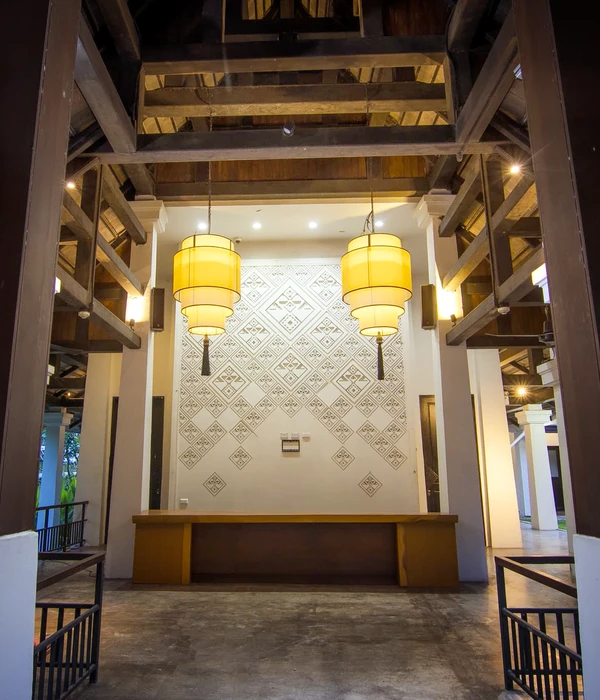
Privacy and dignity are central to recovery. Our 14-acre estate provides secure grounds, private ensuite rooms, and structured communal spaces designed to encourage reflection without isolation. 

High staff-to-client ratios ensure consistent observation without feeling intrusive. Clients have access to therapeutic rooms, wellness facilities, and structured daily routines once medically stable. These elements support emotional regulation and gradual re-engagement after acute withdrawal.

Phones and laptops are permitted where appropriate, recognising that some individuals need limited contact with family or work for reassurance. Boundaries are discussed individually to balance recovery focus with personal responsibilities.

Inpatient detox is particularly important where there is a history of withdrawal seizures, delirium tremens, unstable blood pressure, significant liver concerns, or complex psychiatric presentation.

Repeated withdrawal attempts without sustained treatment may also indicate the need for structured residential care.

Conversely, if alcohol use is moderate, medically stable, and supported by strong outpatient networks, a shorter detox period followed by therapy may be sufficient. Suitability is assessed carefully during pre-admission screening.

Travelling abroad for treatment can create understandable anxiety, particularly around communication and cultural differences. At The Hills, all medical assessments, psychiatric consultations, and therapeutic sessions are conducted in English to ensure clarity and trust.

Our team regularly supports international clients and understands the nuances of international healthcare systems, including GP coordination and discharge planning. This familiarity helps reduce uncertainty around continuity of care.

Costs of Drug and Alcohol Rehab in Thailand

Financial planning is often one of the most stressful aspects of seeking treatment abroad. We aim to provide clarity early, so decisions are based on accurate information rather than uncertainty.

Understanding what is included and what may incur additional cost is essential when comparing treatment options.

Typical Pricing and What Is Included

Detox is integrated into our residential programme and includes: full psychiatric assessment, 24-hour nursing care, medication management, regular medical reviews, nutritional support, and structured therapeutic engagement once stabilised.

Accommodation is private, with daily housekeeping and meals prepared onsite. Therapeutic services include individual counselling, group therapy, and wellness-based support once medically appropriate.

Length of stay influences total cost, particularly where detox extends toward the upper end of the 5–28 day range due to medical complexity. Transparent discussion of duration expectations forms part of the pre-admission assessment.

professional-woman-holding
imgi-30-8254-01-page

Self-Pay Options and Payment Planning

Many clients self-fund treatment. We support this process by outlining payment schedules, providing documentation for financial planning, and assisting with international transfers where required.

In some cases, staged payments may be possible depending on programme structure. These are discussed individually to ensure feasibility and clarity.

Deciding to invest in treatment is a significant decision. Our role is to provide information without pressure, allowing families to make decisions grounded in understanding rather than urgency.

Insurance Coverage and Pre-Authorisation Guidance

International insurance policies vary widely and clear financial planning reduces stress. Some may provide partial reimbursement for addiction treatment, while others exclude detox abroad entirely. Pre-authorisation is often required before admission.

We assist with benefit checks and documentation submission where applicable, but we also advise clients to review policy exclusions carefully, particularly around substance use treatment and overseas claims.

Travel insurance rarely covers planned detox or inpatient rehab, and policies should be reviewed in advance. For this reason, early discussion with insurers is advisable.

professional work
imgi-28-7674-page

Aftercare Planning and Returning Home After Treatment

Sustainable recovery requires ongoing structure. Many people feel steady and supported within residential care, only to feel uncertain about returning to familiar environments where alcohol was once present. 

At The Hills, aftercare is not an afterthought. Before discharge, we develop a structured, personalised continuation plan tailored to your medical history, psychological needs, relapse risk factors, and home circumstances. This plan outlines therapeutic follow-up, medication guidance where appropriate, and clear steps for maintaining stability during the first critical weeks back home.

We also provide a written discharge summary suitable for sharing with your GP or private clinician. This includes detox details, medications prescribed during treatment, recommendations for ongoing pharmacotherapy where indicated, and suggested monitoring plans. 

What Our Patients Think of Us

Read what former patients have shared about their experience and recovery journey with us.

Choosing the Right Setting for Addiction Treatment

Choosing a rehab centre in Thailand is a significant decision, particularly when you are travelling for alcohol addiction treatment. At The Hills, our centre combines medically supervised detox, psychiatric leadership, and a structured inpatient treatment programme designed for lasting change.  

Here are some reasons why you may want to choose our rehab facility to help treat addiction:

When evaluating alcohol rehabs in Thailand, clinical governance matters more than appearance. At The Hills, detox is conducted under 24/7 medical supervision, led by a full-time psychiatrist and supported by experienced nursing staff.

Our addiction treatment program follows structured protocols, including monitored detox, medication management, and integrated dual diagnosis care. Risk assessment, documentation standards, and escalation pathways are clearly defined to ensure safety throughout treatment.

We operate under centralised governance systems that mirror the clinical oversight structures found in established international healthcare environments. For individuals seeking drug and alcohol rehab centres that prioritise safety, this infrastructure is essential.

Our approach to addiction treatment recognises that safe withdrawal alone does not resolve the deeper causes of addiction. After stabilisation, clients transition into a structured residential treatment programme combining psychotherapy, psychiatric care, and holistic treatment elements.

This includes trauma-informed therapy, relapse prevention planning, behavioural interventions, and physical wellness support. We address both alcohol addiction treatment and drug addiction treatment within an integrated framework, ensuring no aspect of recovery is overlooked.

Environment influences early recovery more than many people realise. Our residential rehab setting is intentionally private, secure, and calm. It helps reduce stress and remove exposure to everyday triggers during treatment.

As a luxury rehab centre, we provide private accommodation, tranquil surroundings, and high staff-to-client ratios. Many individuals researching alcohol rehabs in Thailand are seeking an environment that feels contained yet restorative. Luxury, in this context, reflects privacy, safety, and therapeutic space.

Addiction recovery is not linear. Many clients arrive with overlapping alcohol issues, mental health challenges, and sometimes a history of drug rehab attempts elsewhere. Our addiction rehab centres model focuses on integrated care rather than fragmented treatment.

We provide structured treatment, psychological therapy, and continued monitoring throughout residential treatment. Our addiction treatment programme addresses both alcohol and drug concerns within a unified clinical framework.

For those searching for the best drug and alcohol rehab, what matters most is the approach to addiction treatment. Qualified psychiatric leadershi  and evidence-based therapy form the core of effective rehabilitation Thailand services.

Addiction recovery is not linear. Many clients arrive with overlapping alcohol issues, mental health challenges, and sometimes a history of drug rehab attempts elsewhere. Our addiction rehab centres model focuses on integrated care rather than fragmented treatment.

We provide structured treatment, psychological therapy, and continued monitoring throughout residential treatment. Our addiction treatment programme addresses both alcohol and drug concerns within a unified clinical framework.

For those searching for the best drug and alcohol rehab, what matters most is the approach to addiction treatment. Qualified psychiatric leadershi  and evidence-based therapy form the core of effective rehabilitation Thailand services.

When comparing rehabs in Thailand, safety, licensing, and governance should guide the decision. The Hills operates under formal licensing and structured oversight to ensure consistent clinical standards.

Detox is delivered under continuous medical supervision. Psychiatric leadership guides treatment decisions. Hospital partnerships provide emergency readiness.

Choosing a Thailand rehab centre should always come down to clinical integrity, structured care, and a clear path toward addiction recovery.

Begin Your Recovery Journey with The Hills

If you are struggling with addiction, reaching out for help can feel like the hardest step of all. There may be fear or doubt about whether things can truly change. If alcohol or drug and alcohol addiction has begun to take more than it gives, The Hills is here to help.

Our role is not to pressure you, but to listen. We take the time to understand your situation, explain how the process works, clarify safety considerations, and help you decide whether treatment in Thailand is right for you.

Recovery does not begin with perfection. It begins with a decision. Reach out to us today to know how we can help.

The Hills rehab chiang mai pool view

Frequently Asked Questions

You can expect 24/7 medical supervision, structured monitoring using CIWA-Ar, and medication management where clinically indicated. It takes place in a calm, private setting within our rehab centre in Thailand. Emotional support and gentle therapeutic engagement begin early to help you feel stabilised and safe.

Most programmes last between 5 and 10 days, depending on alcohol dependence severity and medical factors. The first 72 hours typically require the most intensive monitoring. Some individuals transition into longer residential rehab for continued addiction treatment.

When conducted within a licensed treatment centre with 24/7 medical supervision, alcohol detox is managed safely using evidence-based protocols. Risks are significantly higher during unsupervised withdrawal at home.

Clients usually move into structured residential treatment focusing on therapy, relapse prevention, and mental health support. We also prepare a clear aftercare plan for return to the UK, ensuring continuity of care.

Active or severe withdrawal can make flying unsafe. Before admission, we assess whether you are medically stable to travel. If symptoms are escalating or complications are likely, we may recommend short-term hospital stabilisation in the UK before flying to Thailand. Safety always comes first.

Unsupervised withdrawal can lead to serious complications including seizures, dehydration, confusion, and delirium tremens. Individuals with heavy or prolonged alcohol use are at greater risk. Medical supervision ensures rapid intervention if complications arise.

Contact Us


    Scroll to Top